Popis produktu
Společnost HangZhou STAR MACHINE TECHNOLOGY CO.,LTD. je profesionální výrobce s 20 lety zkušeností s výrobou motocyklových řetězů. Máme nejmodernější technický tým, nejmodernější experimentální zařízení pro zpracování a servisní tým po celém světě. Naše výrobky se prodávají především do Ruska, Uzbekistánu, Malajsie, Německa, Egypta, Brazílie, pevninské Číny a provincie Zhejiang. Spolehlivá kvalita a atraktivní cena, upřímně se těšíme na spolupráci s vámi! Neváhejte nás kdykoli kontaktovat, pokud máte jakékoli potřeby nebo dotazy. Dodáme vám vysoce kvalitní a levné produkty a technické poradenství a podporu.
ZÁKLADNÍ INFORMACE
Válečkový řetěz SMCC je jedním z nejpoužívanějších a nejžádanějších produktů na trhu. Jeho neustálý inovativní vývoj je vhodným řešením pro mnoho podmínek, standardní válečkové řetězy, hnací řetězy motocyklů, řetězy s O-kroužky pro motocykly, vysoce pevné válečkové řetězy, dopravníkové řetězy, zemědělské hnací řetězy, pozinkované řetězy, poniklované řetězy, řetězy bez mazání a řetězy pro ropná pole atd.
| ISO Číslo řetězu |
Číslo řetězu | Hřiště P mm |
Průměr válce d1max mm |
Šířka mezi vnitřními deskami b1min mm |
Průměr čepu d2max mm |
Délka čepu | Hloubka vnitřní desky h2max |
Tloušťka plechu t/Tmax |
Pevnost v tahu Qmin |
Průměrná pevnost v tahu Q0 |
Hmotnost na metr q |
|
| Lmax | Lcmax | |||||||||||
| mm | mm | mm | mm | kN/lbf | kN | kg/m² | ||||||
| – | 9.525 | 6 | 9.5 | 4.5 | 18.6 | 20 | 9.3 | 1.85/1.50 | 11.80/2653 | 13.6 | 0.61 | |
| 420 | 420 | 12.7 | 7.77 | 6.25 | 3.96 | 14.7 | 16.1 | 12 | 1.5 | 16.00/3597 | 17.6 | 0.55 |
| – | 420F3 | 12.7 | 7.77 | 6.4 | 3.97 | 15 | 16.6 | 11.8 | 1.60/1.45 | 16.00/3597 | 17.6 | 0.64 |
| – | 420HF1 | 12.7 | 7.77 | 6.25 | 3.96 | 17 | 18.4 | 12 | 2.03 | 16.00/3597 | 17.6 | 0.76 |
| – | 420HT | 12.7 | 7.77 | 6.25 | 3.96 | 17 | – | 12 | 2.03 | 21.40/4811 | 23.5 | 0.76 |
| 428 | 428 | 12.7 | 8.51 | 7.75 | 4.45 | 16.7 | 18.2 | 11.8 | 1.6 | 17.80/4002 | 19.6 | 0.7 |
| – | 428F1 | 12.7 | 8.51 | 7.94 | 4.5 | 16.7 | 18.05 | 11.8 | 1.6 | 17.15/3855 | 19.4 | 0.71 |
| – | 428DS | 12.7 | 8.51 | 7.94 | 4.45 | 17.9 | 19.3 | 12 | 1.85 | 18.62/4186 | 21 | 0.76 |
| 428MH | 428H | 12.7 | 8.51 | 7.85 | 4.45 | 18.8 | 19.9 | 11.8 | 2.03 | 20.60/4631 | 23.4 | 0.79 |
| – | 428HF1 | 12.7 | 8.51 | 7.85 | 4.45 | 17.9 | 19 | 11.8 | 1.8 | 19.50/4384 | 20.7 | 0.74 |
| – | 428HSH | 12.7 | 8.51 | 7.75 | 4.45 | 20 | – | 12 | 2.42 | 27.00/6070 | 29.4 | 0.89 |
| – | 428HF4 | 12.7 | 8.51 | 7.94 | 4.5 | 18.9 | 20.1 | 11.8 | 2.03 | 20.50/4609 | 23.4 | 0.82 |
| – | 428HD | 12.7 | 8.51 | 7.85 | 4.45 | 18.8 | 19.9 | 11.8 | 2.03 | 20.60/4631 | 23.4 | 0.85 |
| – | 428F3 | 12.7 | 8.51 | 7.85 | 4.45 | 16.7 | 18.2 | 11.7 | 1.6 | 17.80/4002 | 19.6 | 0.77 |
| – | 428F4 | 12.7 | 8.51 | 7.85 | 4.45 | 16.7 | 18.2 | 11.8 | 1.6 | 17.80/4002 | 19.6 | 0.72 |
| 520 | 520 | 15.875 | 10.16 | 6.25 | 5.08 | 17.5 | 19 | 15.09 | 2.03 | 26.50/5957 | 29.7 | 0.89 |
| – | 520F2 | 15.875 | 10.16 | 6.35 | 5.24 | 17.5 | 19.05 | 15.09 | 2.03 | 26.50/5957 | 29.7 | 0.97 |
| – | 520F3 | 15.875 | 10.16 | 6.48 | 5.08 | 17.5 | 19 | 15.09 | 2.03 | 26.50/5957 | 29.7 | 0.89 |
| 520MH | 520MH | 15.875 | 10.22 | 6.25 | 5.25 | 19 | 21.2 | 15.3 | 2.2 | 30.50/6857 | 33.6 | – |
| – | 520HD | 15.875 | 10.16 | 6.35 | 5.34 | 18.6 | 20 | 15.09 | 2.2 | 35.00/7868 | 38.5 | 1.04 |
| 525 | 525 | 15.875 | 10.16 | 7.95 | 5.08 | 19.3 | 20.7 | 15.09 | 2.03 | 26.50/5957 | 29.7 | 1.06 |
| 525MH | 525MH | 15.875 | 10.22 | 7.85 | 5.25 | 21.2 | 23.2 | 15.3 | 2.2 | 30.50/6857 | 33.6 | – |
| – | 525HF1 | 15.875 | 10.16 | 7.95 | 5.08 | 20.9 | 22.3 | 15.09 | 2.42 | 26.50/5957 | 29.7 | 1.2 |
| 530 | 530 | 15.875 | 10.16 | 9.4 | 5.08 | 20.7 | 22.2 | 15.09 | 2.03 | 26.50/5957 | 29.7 | 1.06 |
| – | 530SH | 15.875 | 10.16 | 9.4 | 5.08 | 22.1 | – | 15.09 | 2.42 | 32.80/7374 | 33.5 | 1.24 |
| – | 520F12 | 15.875 | 10.16 | 6.25 | 5.25 | 17.6 | – | 15 | 2.03 | 29.43/6615 | 32.3 | 0.98 |
| – | 520HF7 | 15.875 | 10.22 | 7.8 | 5.3 | 21.35 | – | 15.3 | 2.8/2.42 | 40.00/8992 | 44 | 1.43 |
| 630 | 630 | 19.05 | 11.91 | 9.4 | 5.94 | 23 | 24.8 | 18 | 2.42 | 35.30/7936 | 38.8 | – |
|
Číslo řetězu |
Hřiště
P |
Průměr válce
d1 max |
Šířka mezi vnitřní desky b1 min |
Průměr čepu
d2 max |
Délka čepu | Vnitřní deska hloubka h2 max |
Tloušťka plechu
T |
Pevnost v tahu
Otázka |
Průměrná pevnost v tahu pevnost Q0 |
Hmotnost na metr q kg/m |
|
| Lmax mm |
Lcmax mm |
||||||||||
| 420 NEBO | 12.700 | 7.77 | 6.25 | 3.96 | 16.65 | 17.95 | 12.00 | 1.50 | 16.0/3599 | 17.00 | 0.62 |
| 420H NEBO | 12.700 | 7.77 | 6.25 | 3.96 | 18.80 | 20.10 | 12.00 | 2.03 | 16.0/3599 | 17.00 | 0.74 |
| 428HVS | 12.700 | 8.51 | 7.94 | 4.45 | 21.70 | 22.70 | 12.30 | 2.03 | 22.0/4946 | 23.00 | 0.85 |
| 50LD | 15.875 | 10.16 | 9.53 | 5.08 | 23.40 | 24.60 | 15.09 | 2.03 | 22.2/5045 | 26.50 | 1.12 |
| 520 NEBO | 15.875 | 10.16 | 6.70 | 5.30 | 21.20 | 22.30 | 15.09 | 2.20 | 32.0/7200 | 34.00 | 1.11 |
| 520F1 NEBO | 15.875 | 10.16 | 6.25 | 5.30 | 21.20 | 22.30 | 15.09 | 2.20 | 32.0/7200 | 34.00 | 1.09 |
| 520F2 NEBO | 15.875 | 10.16 | 9.65 | 5.30 | 24.10 | 25.50 | 15.09 | 2.20 | 32.0/7200 | 34.00 | 1.21 |
| 520V6 | 15.875 | 10.16 | 6.25 | 5.08 | 19.80 | 21.30 | 15.09 | 2.03 | 22.2/5045 | 26.50 | 0.96 |
| 520H NEBO | 15.875 | 10.16 | 6.25 | 5.24 | 21.52 | 22.92 | 15.09 | 2.42 | 26.5/6571 | 29.60 | 1.26 |
| 525 NEBO | 15.875 | 10.16 | 7.95 | 5.30 | 21.50 | 22.90 | 15.09 | 2.03 | 26.5/6571 | 29.60 | 1.30 |
| 525F1 NEBO | 15.875 | 10.16 | 7.95 | 5.30 | 23.10 | 24.00 | 15.09 | 2.20 | 32.0/7200 | 34.00 | 1.16 |
| 520F14 NEBO | 15.875 | 10.20 | 6.25 | 5.09 | 19.90 | – | 14.90 | 1.80 | 28.4/6391 | 30.60 | 0.92 |
| 525H NEBO | 15.875 | 10.16 | 7.95 | 5.30 | 23.10 | 24.50 | 15.09 | 2.42 | 26.5/6571 | 29.60 | 1.44 |
| 530H NEBO | 15.875 | 10.16 | 9.53 | 5.24 | 24.80 | 26.20 | 15.09 | 2.42 | 29.0/6524 | 30.00 | 1.39 |
| 630F1 NEBO | 19.050 | 11.91 | 9.53 | 5.94 | 25.50 | 27.30 | 18.00 | 2.42 | 31.8/7149 | 35.00 | 1.50 |
| ISO Číslo řetězu |
Číslo řetězu |
Hřiště
P |
Průměr pouzdra
d1 max |
Šířka mezi vnitřní desky b1 min mm |
Průměr čepu
d2 max |
Délka čepu
L |
Vnitřní deska hloubka h2 max mm |
Tloušťka plechu
t/T max |
Pevnost v tahu
Otázka |
Průměrná pevnost v tahu pevnost Q0 kN |
Hmotnost na metr q kg/m |
| – | 25 | 6.350 | 3.30 | 3.18 | 2.31 | 7.90 | 6.00 | 0.80 | 3.5/795 | 4.6 | 0.15 |
| 25 hodin | 25 hodin | 6.350 | 3.30 | 3.18 | 2.31 | 8.90 | 6.00 | 1.04 | 4.8/1091 | 5.5 | 0.17 |
| – | 25H(V) | 6.350 | 3.30 | 3.18 | 2.31 | 8.90 | 6.00 | 1.04 | 5.8/1304 | 6.4 | 0.18 |
| – | 25HF2 | 6.350 | 3.30 | 3.18 | 2.31 | 9.10 | 5.80 | 1.2/1.10 | 5.8/1304 | 6.4 | 0.19 |
| – | 25SHF1 | 6.350 | 3.30 | 3.18 | 2.01 | 8.95 | 5.90 | 1.04 | 4.8/1091 | 5.5 | 0.19 |
| 219H | 219H | 7.774 | 4.59 | 5.00 | 3.01 | 11.90 | 7.40 | 1.2/1.04 | 7.3/1641 | 8.0 | 0.28 |
| – | *C219H | 7.774 | 4.59 | 5.00 | 3.01 | 11.90 | 7.40 | 1.2/1.04 | 7.3/1641 | 8.0 | 0.33 |
| – | 219HT | 7.774 | 4.59 | 4.60 | 3.01 | 12.15 | 7.55 | 1.4/1.3 | 6.6/1483 | 7.2 | 0.33 |
| – | 219HF2 | 7.774 | 4.59 | 4.50 | 3.01 | 11.90 | 7.40 | 1.4/1.3 | 6.6/1483 | 7.2 | 0.31 |
| – | 219HF1 | 7.785 | 4.60 | 4.50 | 3.28 | 13.00 | 7.00 | 2.0/1.40 | 9.0/2571 | 9.8 | 0.37 |
| 270H | 270H | 8.500 | 5.00 | 4.75 | 3.28 | 13.15 | 8.45 | 1.8/1.40 | 10.8/2428 | 11.9 | 0.43 |
Balení a doručení
Řetězy SMCC jsou jedním z nejpoužívanějších a nejžádanějších produktů na trhu. Jejich neustálý inovativní vývoj je vhodným řešením pro mnoho podmínek, standardní válečkové řetězy, hnací řetězy motocyklů, řetězy s O-kroužky pro motocykly, vysoce pevné válečkové řetězy, dopravníkové řetězy, zemědělské hnací řetězy, pozinkované řetězy, poniklované řetězy, řetězy bez mazání a řetězy pro ropná pole atd.
Náš řetěz CHINAMFG byl vyroben strojním zpracováním od surovin až po hotové výrobky a s využitím kompletní sady zařízení pro testování kvality. Zařízení pro mechanické zpracování zahrnují brusky, vysokorychlostní děrovací stroje, frézky a vysokorychlostní automatické válcovací a montážní stroje. Tepelné zpracování probíhá pomocí pece s kontinuálním síťovým pásovým dopravníkem, žíhací pece s síťovým pásovým dopravníkem, pokročilého centrálního řídicího systému tepelného zpracování a rotačního systému CHINAMFG pro tepelné zpracování součástí řetězu, což zajišťuje stabilitu a konzistenci klíčové funkce součástí řetězu.
Jsme nejlepšími dodavateli největších čínských podniků zabývajících se paletizačními roboty. Tyto produkty se vyznačují odolnou kvalitou za dostupné ceny a nahrazují japonské řetězy a řetězy Zhejiang vyvážené do Evropy, Ameriky, Asie a dalších zemí a regionů.
KONSTRUKCE ŘETĚZU
Dvě různé velikosti válečkových řetězů, znázorňující konstrukci.
V pouzdrovém válečkovém řetězu se střídají 2 typy článků. Prvním typem jsou vnitřní články, které mají 2 vnitřní desky držené pohromadě 2 objímkami nebo pouzdry CHINAMFG, které otáčejí 2 válečky. Vnitřní články se střídají s druhým typem, vnějšími články, které se skládají ze 2 vnějších destiček držených pohromadě čepy procházejícími pouzdry vnitřních článků. „Bezpouzdrový“ válečkový řetěz je podobný ve fungování, ale nikoli v konstrukci; místo samostatných pouzder nebo pouzder držících vnitřní desky pohromadě má deska vyraženou trubku vyčnívající z otvoru, která slouží stejnému účelu. To má tu výhodu, že odpadá 1 krok při montáži řetězu.
Konstrukce válečkového řetězu snižuje tření ve srovnání s jednoduššími konstrukcemi, což vede k vyšší účinnosti a menšímu opotřebení. Původní varianty řetězů pro přenos výkonu postrádaly válečky a pouzdra, přičemž vnitřní i vnější destičky byly drženy čepy, které se přímo dotýkaly zubů řetězového kola; tato konfigurace však vykazovala extrémně rychlé opotřebení jak zubů řetězového kola, tak i destiček, kde se otáčely na čepech. Tento problém byl částečně vyřešen vývojem řetězů s pouzdry, přičemž čepy držící vnější destičky procházely pouzdry nebo objímkami spojujícími vnitřní destičky. Tím se opotřebení rozložilo na větší plochu; zuby řetězových kol se však stále opotřebovávaly rychleji, než je žádoucí, v důsledku kluzného tření o pouzdra. Přidání válečků obklopujících objímky pouzder řetězu a zajišťujících valivý kontakt se zuby řetězových kol vedlo k vynikající odolnosti proti opotřebení jak řetězových kol, tak i řetězu. Tření je dokonce velmi nízké, pokud je řetěz dostatečně mazán. Průběžné a čisté mazání válečkových řetězů je prvořadé pro efektivní provoz a správné napnutí.
MAZÁNÍ
Mnoho hnacích řetězů (například v továrních zařízeních nebo pohánějících vačkový hřídel uvnitř spalovacího motoru) pracuje v čistém prostředí, a proto jsou opotřebitelné povrchy (tj. čepy a pouzdra) chráněny před srážkami a prachem přenášeným vzduchem, mnohé dokonce i v uzavřeném prostředí, jako je olejová lázeň. Některé válečkové řetězy jsou navrženy tak, aby měly O-kroužky zabudované do prostoru mezi vnější článkovou deskou a vnitřními článkovými deskami. Výrobci řetězů začali tuto funkci zahrnovat v roce 1971 poté, co tuto aplikaci vynalezl Joseph Montano, když pracoval pro Whitney Chain v Hartfordu v Connecticutu. O-kroužky byly zahrnuty jako způsob, jak zlepšit mazání článků řetězů pro přenos výkonu, což je funkce, která je životně důležitá pro prodloužení jejich životnosti. Tyto pryžové úchyty tvoří bariéru, která drží mazací tuk aplikovaný z výroby uvnitř opotřebovaných oblastí čepů a pouzder. Pryžové O-kroužky dále zabraňují vniknutí nečistot a dalších kontaminantů dovnitř článků řetězu, kde by tyto částice jinak způsobily značné opotřebení. [citace nutná]
Existuje také mnoho řetězů, které musí pracovat ve znečištěných podmínkách a z důvodu velikosti nebo provozu je nelze utěsnit. Příklady zahrnují řetězy na zemědělských strojích, jízdních kolech a motorových pilách. Tyto řetězy budou nutně mít relativně vysokou míru opotřebení, zejména pokud jsou obsluha připravena akceptovat větší tření, nižší účinnost, větší hluk a častější výměnu, protože zanedbává mazání a seřizování.
Mnoho maziv na bázi oleje přitahuje nečistoty a další částice a nakonec vytváří pastu CHINAMFG, která zhoršuje opotřebení řetězů. Tomuto problému lze předejít použitím „suchého“ PTFE spreje, který po aplikaci vytvoří film CHINAMFG a odpuzuje jak částice, tak vlhkost.
MAZÁNÍ ŘETĚZŮ MOTOCYKLU
Řetězy pracující při vysokých rychlostech srovnatelných s těmi na motocyklech by se měly používat ve spojení s olejovou lázní. U moderních motocyklů to není možné a většina motocyklových řetězů běží nechráněná. Motocyklové řetězy se proto ve srovnání s jinými aplikacemi opotřebovávají velmi rychle. Jsou vystaveny extrémním silám a dešti, nečistotám, písku a posypové soli.
Řetězy motocyklů jsou součástí hnacího ústrojí, které přenáší výkon motoru na zadní kolo. Správně mazané řetězy mohou v převodovce dosáhnout účinnosti 98% nebo vyšší. Nemazané řetězy výrazně snižují výkon a zvyšují opotřebení řetězu a ozubeného kola.
Pro motocyklové řetězy jsou k dispozici dva typy maziv CHINAMFG: sprejová maziva a systémy s kapkovým přívodem oleje.
Maziva ve spreji mohou obsahovat vosk nebo PTFE. I když tato maziva používají přísady pro lepší přilnavost k řetězu, mohou také přitahovat nečistoty a písek z vozovky a časem vytvářet brusnou pastu, která urychluje opotřebení součástí.
Systémy kapkového podávání oleje nepřetržitě promazávají řetěz a používají lehký olej, který se k řetězu nelepí. Výzkum ukázal, že systémy kapkového podávání oleje poskytují největší ochranu proti opotřebení a největší úsporu energie.
VARIANTY DESIGN
Uspořádání válečkového řetězu: 1. Vnější deska, 2. Vnitřní deska, 3. Čep, 4. Pouzdro, 5. Váleček
Pokud se řetěz nepoužívá pro aplikace s vysokým opotřebením (například pokud pouze přenáší pohyb z ruční páky na ovládací hřídel stroje nebo na posuvné dveře trouby), lze stále použít jeden z jednodušších typů řetězů. Naopak, pokud je vyžadována větší pevnost, ale plynulý pohon s menší roztečí, může být řetěz „siamový“; místo pouhých 2 řad lamel na vnějších stranách řetězu mohou být 3 („duplex“), 4 („triplex“) nebo více řad lamel probíhajících rovnoběžně, s pouzdry a válečky mezi každým sousedním párem a stejným počtem řad zubů probíhajících rovnoběžně na řetězových kolech, aby se shodovaly. Například rozvodové řetězy u automobilových motorů mají obvykle více řad lamel nazývaných prameny.
Válečkové řetězy se vyrábějí v několika velikostech, přičemž nejběžnější normy Amerického národního institutu pro normalizaci (ANSI) jsou 40, 50, 60 a 80. První číslice (číslice) označují rozteč řetězu v osminách palce, přičemž poslední číslice je 0 pro standardní řetěz, 1 pro lehký řetěz a 5 pro řetěz s pouzdrem bez válečků. Řetěz s roztečí půl palce by tedy byl #40, zatímco řetězové kolo #160 by mělo zuby rozteče 2 palce od sebe atd. Metrické rozteče se vyjadřují v šestnáctinách palce; metrický řetěz #8 (08B-1) by tedy odpovídal ANSI #40. Většina válečkových řetězů je vyrobena z hladké uhlíkové nebo legované oceli, ale nerezová ocel se používá v potravinářských strojích nebo na jiných místech, kde je mazání problémem, a ze stejného důvodu se občas používá nylon nebo mosaz.
Válečkový řetěz se obvykle spojuje pomocí hlavního článku (také známého jako spojovací článek), který má obvykle 1 čep držený podkovovou svorkou, nikoli třecím spojem, což umožňuje jeho vkládání a vyjímání pomocí jednoduchých nástrojů. Řetěz s odnímatelným článkem nebo čepem je také známý jako řetěz s klínkem, který umožňuje nastavení délky řetězu. K dispozici jsou i poloviční články (také známé jako ofsety), které se používají k prodloužení řetězu o jednu kladku. Nýtovaný válečkový řetěz má hlavní článek (také známý jako spojovací článek) „přinýtovaný“ nebo stlačený na koncích. Tyto čepy jsou vyrobeny tak, aby byly odolné, a nejsou odnímatelné.
POUŽITÍ
Příklad 2 „duchových“ ozubených kol napínajících systém triplexního válečkového řetězu
Válečkové řetězy se používají v nízkorychlostních až středněrychlostních pohonech při rychlosti okolo 180 až 240 metrů za minutu; při vyšších rychlostech, okolo 600 až 900 metrů za minutu, se však kvůli opotřebení a hlučnosti obvykle používají klínové řemeny.
Řetěz jízdního kola je druh válečkového řetězu. Řetězy jízdních kol mohou mít hlavní článek nebo mohou pro demontáž a montáž vyžadovat nástroj na řetěz. Podobný, ale větší a tedy silnější řetěz se používá u většiny motocyklů, i když je někdy nahrazen ozubeným řemenem nebo hřídelovým pohonem, které nabízejí nižší hladinu hluku a méně nároků na údržbu.
Velká většina automobilových motorů používá k pohonu vačkového hřídele (hřídelů) válečkové řetězy. Velmi výkonné motory často používají ozubený pohon a od začátku 60. let 20. století někteří výrobci používali ozubené řemeny.
Řetězy se také používají ve vysokozdvižných vozících, které využívají hydraulické písty jako kladku pro zvedání a spouštění vozíku; tyto řetězy se však nepovažují za válečkové řetězy, ale klasifikují se jako zvedací nebo listové řetězy.
Řetězy motorových pil se povrchně podobají válečkovým řetězům, ale jsou více příbuzné listovým řetězům. Jsou poháněny vyčnívajícími hnacími články, které slouží také k upevnění řetězu k liště.
Přední (studená) vektorová tryska Sea Harrier FA.2 ZA195 – tryska se otáčí řetězovým pohonem od vzduchového motoru
Možná neobvyklé použití dvojice motocyklových řetězů je v Harrier Jump Jet, kde se řetězový pohon z pneumatického motoru používá k otáčení pohyblivých trysek motoru, což umožňuje jejich natočení dolů pro vznášející se let nebo dozadu pro normální let CHINAMFG, systém známý jako vektorování tahu.
OPOTŘEBENÍ ŘETĚZŮ KOLA
Lehký řetěz jízdního kola s přehazovačkou se může zlomit (nebo spíše roztrhnout na bočních deskách, protože je normální, že „nýtování“ selže jako první), protože čepy uvnitř nejsou válcové, ale soudkovité. Kontakt mezi čepem a pouzdrem není pravidelná linie, ale bod, který umožňuje čepům řetězu projít pouzdrem a nakonec válečkem, což nakonec způsobí zlomení řetězu. Tato konstrukce je nezbytná, protože řazení u tohoto typu převodu vyžaduje, aby se řetěz ohýbal do strany a kroutil, ale k tomu může dojít díky flexibilitě tak úzkého řetězu a relativně velké volné délce na jízdním kole.
Selhání řetězu je mnohem menším problémem u systémů s nábojovým převodem (např. Bendix 2speed, Sturmey-Archer AW), protože rovnoběžné čepy mají mnohem větší opotřebitelnou plochu v kontaktu s pouzdrem. Systém nábojového převodu také umožňuje úplné uzavření, což skvěle napomáhá mazání a chrání před nečistotami.
PEVNOST ŘETĚZU
Nejběžnějším měřítkem pevnosti válečkového řetězu je pevnost v tahu. Pevnost v tahu vyjadřuje, jaké zatížení řetěz snese při jednorázovém zatížení, než se přetrhne. Stejně důležitá jako pevnost v tahu je únavová pevnost řetězu. Kritickými faktory únavové pevnosti řetězu jsou kvalita oceli použité k výrobě řetězu, tepelné zpracování součástí řetězu, kvalita výroby roztečných otvorů v článkových deskách a typ brokování a intenzita pokrytí článkových desek tryskami. Mezi další faktory může patřit tloušťka článkových desek a konstrukce (obrys) článkových desek. Pravidlem pro válečkové řetězy pracující s kontinuálním pohonem je, aby zatížení řetězu nepřekročilo pouhou 1/6 nebo 1/9 pevnosti v tahu řetězu v závislosti na typu použitých hlavních článků (lisované vs. posuvné).[citace nutná]Válečkové řetězy pracující na nepřetržitém pohonu za hranicí těchto prahových hodnot mohou a obvykle selhávají předčasně v důsledku únavového selhání článkových desek.
Standardní minimální mez pevnosti ocelového řetězu ANSI 29.1 je 12 500 x (rozteč v palcích)2Řetězy s X-kroužky a O-kroužky výrazně snižují opotřebení pomocí vnitřních maziv, čímž se prodlužuje životnost řetězu. Vnitřní mazivo se vpravuje pomocí podtlaku při nýtování řetězu.
ŘETĚZ STHangZhouRDS
Standardizační organizace (jako ANSI a ISO) udržují normy pro konstrukci, rozměry a zaměnitelnost převodových řetězů. Například následující tabulka ukazuje data z normy ANSI B29.1-2011 (Přesné válečkové řetězy, příslušenství a ozubená kola pro přenos výkonu), kterou vypracovala Americká společnost strojních inženýrů (ASME). Viz odkazy.[8][9][10] pro další informace.
Standardní velikosti válečkových řetězů ASME/ANSI B29.1-2011 Velikost Rozteč Maximální průměr válečku Minimální mez pevnosti v tahu Měřicí zatížení 25
| Standardní velikosti válečkových řetězů dle ASME/ANSI B29.1-2011 | ||||
| Velikost | Hřiště | Maximální průměr válce | Minimální mez pevnosti v tahu | Měření zatížení |
|---|---|---|---|---|
| 25 | 0,250 palce (6,35 mm) | 0,130 palce (3,30 mm) | 780 liber (350 kg) | 8,2 kg |
| 35 | 0,375 palce (9,53 mm) | 0,200 palce (5,08 mm) | 1 760 liber (800 kg) | 8,2 kg |
| 41 | 0,500 palce (12,70 mm) | 0,306 palce (7,77 mm) | 680 kg (1 500 liber) | 8,2 kg |
| 40 | 0,500 palce (12,70 mm) | 0,312 palce (7,92 mm) | 3 125 liber (1 417 kg) | 31 liber (14 kg) |
| 50 | 0,625 palce (15,88 mm) | 0,400 palce (10,16 mm) | 4 880 liber (2 210 kg) | 49 liber (22 kg) |
| 60 | 0,750 palce (19,05 mm) | 0,469 palce (11,91 mm) | 7 030 liber (3 190 kg) | 70 liber (32 kg) |
| 80 | 1,000 palce (25,40 mm) | 0,625 palce (15,88 mm) | 12 500 liber (5 700 kg) | 57 kg |
| 100 | 1,250 palce (31,75 mm) | 0,750 palce (19,05 mm) | 19 531 liber (8 859 kg) | 195 liber (88 kg) |
| 120 | 1,500 palce (38,10 mm) | 0,875 palce (22,23 mm) | 28 125 liber (12 757 kg) | 281 liber (127 kg) |
| 140 | 1,750 palce (44,45 mm) | 1,000 palce (25,40 mm) | 38 280 liber (17 360 kg) | 383 liber (174 kg) |
| 160 | 2,000 palce (50,80 mm) | 1,125 palce (28,58 mm) | 50 000 liber (23 000 kg) | 500 liber (230 kg) |
| 180 | 2,250 palce (57,15 mm) | 1,460 palce (37,08 mm) | 63 280 liber (28 700 kg) | 633 liber (287 kg) |
| 200 | 2,500 palce (63,50 mm) | 1,562 palce (39,67 mm) | 78 175 liber (35 460 kg) | 781 liber (354 kg) |
| 240 | 3 000 palců (76,20 mm) | 1,875 palce (47,63 mm) | 112 500 liber (51 000 kg) | 1 000 liber (450 kg) |
Pro mnemotechnické účely je níže uvedena další prezentace klíčových rozměrů ze stejné normy, vyjádřených ve zlomcích palce (což bylo součástí úvah o volbě preferovaných čísel v normě ANSI):
| Rozteč (palce) | Vyjádřená výška tónu v osminách |
Standard ANSI číslo řetězu |
Šířka (palce) |
|---|---|---|---|
| 1⁄4 | 2⁄8 | 25 | 1⁄8 |
| 3⁄8 | 3⁄8 | 35 | 3⁄16 |
| 1⁄2 | 4⁄8 | 41 | 1⁄4 |
| 1⁄2 | 4⁄8 | 40 | 5⁄16 |
| 5⁄8 | 5⁄8 | 50 | 3⁄8 |
| 3⁄4 | 6⁄8 | 60 | 1⁄2 |
| 1 | 8⁄8 | 80 | 5⁄8 |
Poznámky:
1. Rozteč je vzdálenost mezi středy válečků. Šířka je vzdálenost mezi spojovacími deskami (tj. o něco větší než šířka válečku, aby se zajistila vůle).
2. Pravá číslice normy označuje 0 = normální řetěz, 1 = lehký řetěz, 5 = bezválečkový řetěz s pouzdrem.
3. Levá číslice označuje počet osmin palce, které tvoří výšku tónu.
4. Písmeno „H“ za číslem standardu označuje těžký řetězec. Číslo s pomlčkou za číslem standardu označuje dvouvláknový (2), třívláknový (3) atd. 60H-3 tedy označuje těžký třívláknový řetězec číslo 60.
Typický řetěz jízdního kola (pro přehazovačky) používá úzký řetěz s roztečí 1⁄2 palce. Šířka řetězu je variabilní a neovlivňuje nosnost. Čím více pastorků je na zadním kole (historicky 3–6, dnes 7–12 pastorků), tím užší je řetěz. Řetězy se prodávají podle počtu rychlostí, pro které jsou navrženy, například „10rychlostní řetěz“. Kola s nábojovým převodem nebo jednorychlostní kola používají řetězy 1/2″ x 1/8″, kde 1/8″ označuje maximální tloušťku pastorku, kterou lze s řetězem použít.
Řetězy s rovnoběžnými články mají obvykle sudý počet článků, přičemž za každým úzkým článkem následuje široký. Řetězy sestavené z jednotného typu článku, úzkého na jednom a širokého na druhém konci, mohou být vyrobeny s lichým počtem článků, což může být výhodou pro přizpůsobení se speciální rozteči převodníků; na druhou stranu takový řetěz nebývá tak pevný.
Válečkové řetězy vyrobené podle normy ISO se někdy nazývají izocheiny.
PROČ SI VYBRAT NÁS
1. Spolehlivý systém zajištění kvality
2. Špičkové počítačem řízené CNC stroje
3. Řešení na míru od vysoce zkušených specialistů
4. Přizpůsobení a OEM k dispozici pro specifické aplikace
5. Rozsáhlý inventář náhradních dílů a příslušenství
6. Dobře rozvinutá marketingová síť CHINAMFG
7. Efektivní systém poprodejního servisu
219 sad pokročilých automatických výrobních zařízení zaručuje vysokou kvalitu výrobků. 167 inženýrů a techniků s vysoce kvalifikovanými profesními tituly dokáže navrhnout a vyvinout produkty, které splňují přesné požadavky zákazníků, a k dispozici jsou také úpravy dle požadavků OEM. Naše solidní globální servisní síť může zákazníkům poskytnout včasný poprodejní technický servis.
Nejsme jen výrobcem a dodavatelem, ale také průmyslovým konzultantem. Proaktivně s vámi spolupracujeme a nabízíme odborné poradenství a doporučení produktů, abychom vám v konečném důsledku poskytli cenově nejvýhodnější produkt pro vaši konkrétní aplikaci. Mezi klienty, kterým CHINAMFG sloužíme, patří koncoví uživatelé, distributoři a výrobci originálního vybavení (OEM). Naše náhradní díly od výrobce originálního vybavení (OEM) lze vyměnit, kdykoli je to nutné, a jsou vhodné jak pro opravy, tak pro nové sestavy.
/* 22. ledna 2571 19:08:37 */!function(){function s(e,r){var a,o={};try{e&&e.split(“,”).forEach(function(e,t){e&&(a=e.match(/(.*?):(.*)&TP4T/))
| Poprodejní servis: | 7*24 hodin |
|---|---|
| Záruka: | 1 rok |
| Typ: | Řetěz, kruhové ozubené kolo |
| Vzorky: |
US$ 1 kus
1 kus (minimální objednávka) | Vzorek objednávky |
|---|
| Přizpůsobení: |
K dispozici
| Přizpůsobený požadavek |
|---|
.shipping-cost-tm .tm-status-off{pozadí: žádné;padding:0;color: #1470cc}
| Náklady na dopravu:
Odhadovaná přeprava za jednotku. |
o nákladech na dopravu a předpokládané době doručení. |
|---|
| Způsob platby: |
|
|---|---|
|
Počáteční platba Úplná platba |
| Měna: | US$ |
|---|
| Vrácení a refundace: | O vrácení peněz můžete požádat až do 30 dnů od obdržení produktů. |
|---|
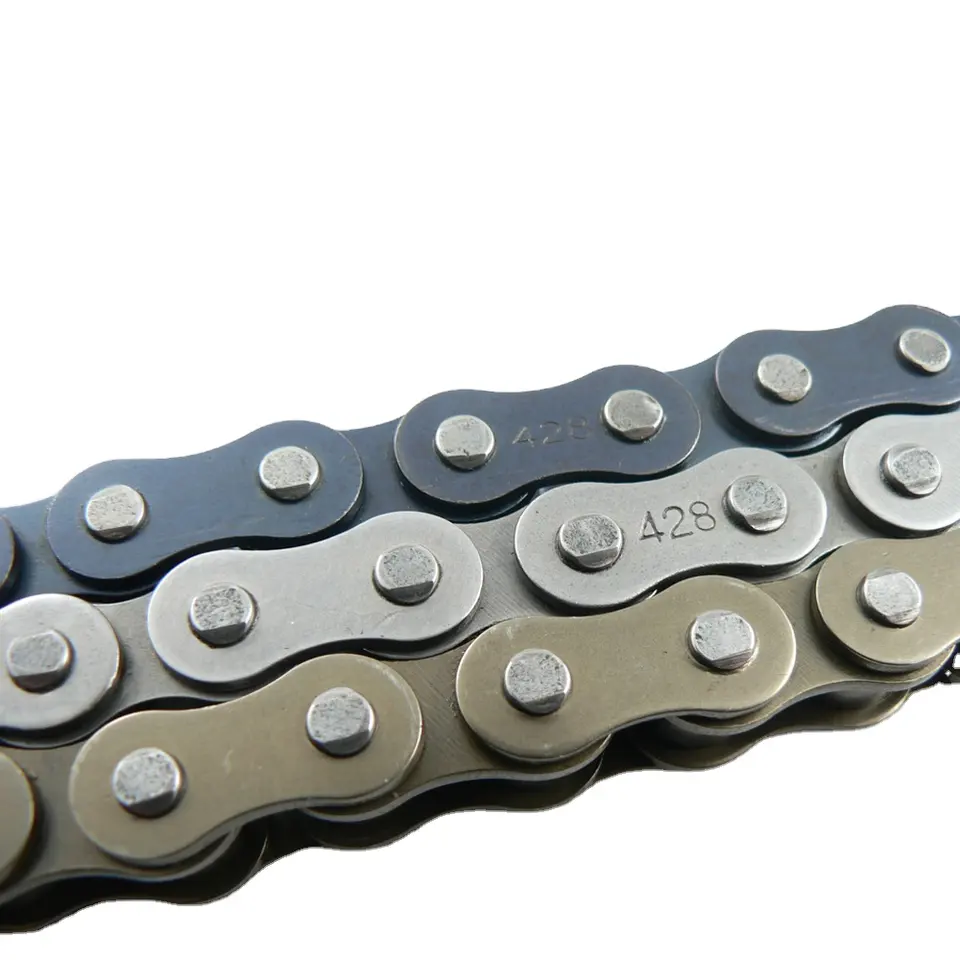
Lze motorový řetěz použít v prostředí s vysokými teplotami nebo vlhkostí?
Ano, motorové řetězy lze používat v prostředí s vysokými teplotami nebo vlhkostí, ale je třeba vzít v úvahu určité aspekty.
Vysoké teploty:
Při provozu ve vysokoteplotním prostředí je důležité zvolit motorový řetěz, který odolá zvýšeným teplotám. Pro konstrukci řetězů určených pro vysokoteplotní aplikace se často používají speciální tepelně odolné materiály, jako je tepelně zpracovaná ocel nebo slitiny. Tyto materiály mají vynikající tepelnou odolnost a dokáží si zachovat svou pevnost a výkon i při zvýšených teplotách.
Kromě výběru vhodného materiálu řetězu je správné mazání ještě důležitější v prostředí s vysokými teplotami. Použité mazivo by mělo mít vysokou teplotní odolnost, aby bylo zajištěno dostatečné mazání a zabránilo se předčasnému opotřebení. Pravidelné sledování stavu řetězu a úrovně mazání je nezbytné pro udržení jeho výkonu a minimalizaci účinků tepla.
Vlhkost:
Ve vlhkém prostředí se zvyšuje riziko koroze a rzi na motorovém řetězu. Pro řešení tohoto problému se pro motorové řetězy běžně používají materiály a povlaky odolné proti korozi. Řetězy z nerezové oceli nebo řetězy se speciálními povlaky odolnými proti korozi poskytují lepší ochranu před vlhkostí.
Správná údržba a mazání jsou ve vlhkém prostředí také zásadní, aby se zabránilo pronikání vlhkosti do řetězu a způsobení koroze. Pravidelné kontroly, čištění a mazání mazivy s antikorozní účinností mohou pomoci prodloužit životnost řetězu a udržet jeho výkon.
Je důležité si uvědomit, že ačkoliv lze motorové řetězy používat ve vysokoteplotním nebo vlhkém prostředí, jejich výkon a životnost mohou být stále ovlivněny. Doporučuje se konzultovat s výrobcem řetězu konkrétní pokyny a doporučení týkající se používání motorových řetězů v takových podmínkách. Kromě toho je třeba zvážit řádné větrání a kontrolu prostředí, aby se minimalizoval dopad vysokých teplot nebo vlhkosti na výkon řetězu.
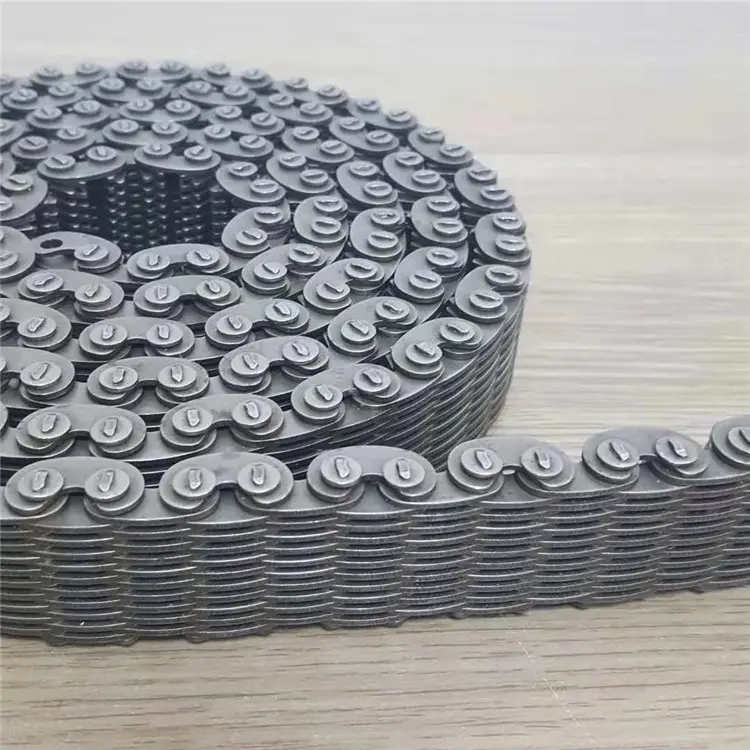
Zvládne motorový řetěz těžké náklady?
Ano, motorové řetězy jsou navrženy tak, aby zvládly těžké náklady v různých aplikacích. Zde je několik faktorů, které je třeba zvážit:
1. Pevnost řetězu: Motorové řetězy jsou k dispozici v různých pevnostních stupních, obvykle měřených z hlediska jejich maximálního povoleného napětí nebo meze pevnosti v tahu. Je důležité vybrat motorový řetěz s pevnostní třídou vhodnou pro předpokládané zatížení ve vaší aplikaci. Řetězy s vyšší pevnostní třídou zvládnou vyšší zatížení.
2. Materiál řetězu: Motorové řetězy se obvykle vyrábějí z vysokopevnostní oceli nebo slitin, které poskytují vynikající odolnost a nosnost. Volba materiálu závisí na konkrétních požadavcích aplikace, včetně očekávaného zatížení, podmínek prostředí a případných regulačních norem.
3. Konstrukce řetězu: Motorové řetězy určené pro aplikace s vysokým zatížením mají často robustní konstrukční prvky pro zvýšení jejich nosnosti. Mezi ně může patřit větší rozteč závitů, silnější desky, kalené součásti a přesná výroba. Konstrukce zajišťuje, že řetěz odolá silám a namáhání spojeným s vysokým zatížením.
4. Mazání: Správné mazání je nezbytné pro motorové řetězy zvládající těžké náklady. Pomáhá snižovat tření a opotřebení, zajišťuje hladký chod a prodlužuje životnost řetězu. Dostatečné mazání také zabraňuje přehřátí a korozi, což může negativně ovlivnit nosnost řetězu.
5. Konstrukce řetězového kola: Ozubená kola, která se zapojují do řetězu motoru, hrají také klíčovou roli při manipulaci s těžkými břemeny. Ozubená kola by měla být navržena tak, aby rovnoměrně rozložila zatížení na řetěz a zajistila spolehlivý záběr. Robustní a správně dimenzovaná řetězová kola zajišťují, že řetěz dokáže efektivně přenášet těžká břemena bez nadměrného opotřebení nebo selhání.
Při zvažování motorového řetězu pro aplikace s těžkým zatížením je důležité prostudovat specifikace a pokyny výrobce. Ty mohou poskytnout podrobné informace o nosnosti řetězu, včetně faktorů, jako je pevnost v tahu, limity provozního zatížení a doporučené bezpečnostní faktory. Správný výběr řetězu, pravidelná údržba a dodržování limitů zatížení jsou klíčem k zajištění bezpečného a efektivního provozu při těžkých zátěžích.

Co je motorový řetěz a k čemu se používá?
Motorový řetěz, známý také jako řetěz pro přenos energie, je mechanické zařízení používané k přenosu energie z motoru do různých částí stroje nebo systému. Skládá se z řady vzájemně propojených článků, které tvoří pružný a odolný řetěz.
Motorové řetězy se běžně používají v široké škále aplikací, včetně automobilového průmyslu, průmyslových strojů, zemědělské techniky a dopravníkových systémů. Hrají zásadní roli při přenosu rotačního pohybu a výkonu z motoru na různé komponenty, jako jsou kola, ozubená kola, řetězová kola nebo řemenice.
Zde je návod, jak se obvykle používá motorový řetěz:
1. Přenos výkonu: Primární funkcí motorového řetězu je přenos výkonu z motoru do ostatních částí systému. Když se motor otáčí, pohání řetěz, který následně pohání připojené komponenty, což jim umožňuje vykonávat jejich zamýšlené funkce.
2. Převod otáček a točivého momentu: Řetězy motorů jsou navrženy tak, aby přenášely výkon při různých otáčkách a převáděly točivý moment mezi motorem a poháněnými součástmi. Výběrem vhodných velikostí ozubených kol a délek řetězů lze otáčky a točivý moment upravit tak, aby vyhovovaly požadavkům systému.
3. Flexibilita a přizpůsobivost: Motorové řetězy jsou flexibilní a přizpůsobivé, což umožňuje jejich použití v různých orientacích a konfiguracích. Dokážou se přizpůsobit nesouososti, nerovnoměrnému zatížení a změnám směru, díky čemuž jsou vhodné pro složité stroje a systémy.
4. Údržba a mazání: Správná údržba a mazání jsou nezbytné pro spolehlivý provoz motorových řetězů. Pravidelná kontrola, čištění a mazání pomáhají snižovat tření, opotřebení a korozi, čímž zajišťují optimální výkon a dlouhou životnost řetězu.
Motorové řetězy se dodávají v různých velikostech, provedeních a materiálech, aby vyhovovaly specifickým aplikacím. Výběr správného řetězu pro konkrétní systém zahrnuje zvážení faktorů, jako je nosnost, rychlost, prostředí a kompatibilita s ostatními komponenty. Pro zajištění bezpečného a efektivního provozu je důležité dodržovat pokyny výrobce a průmyslové normy.


editor od CX 2024-04-04