Toote kirjeldus
HangZhou STAR MACHINE TECHNOLOGY CO.,LTD. on professionaalne mootorrattakettide tootja, kellel on 20-aastane tootmiskogemus. Meil on kõige kaasaegsem tehniline meeskond ning kõige kaasaegsemad töötlemis- ja eksperimentaalseadmed ning teenindusmeeskond üle kogu maailma. Meie tooteid müüakse peamiselt Venemaale, Usbekistani, Malaisiasse, Saksamaale, Egiptusesse, Brasiiliasse, Mandri-Hiinasse ja Zhejiangi. Usaldusväärne kvaliteet ja atraktiivne hind – ootame siiralt koostööd CHINAMFG-ga! Võtke meiega igal ajal ühendust, kui teil on mingeid vajadusi või küsimusi. Pakume teile kvaliteetseid ja odavaid tooteid ning tehnilist nõu ja tuge.
PÕHIINFO
SMCC rullkett on üks turul enimkasutatavaid ja teretulnud tooteid. Selle pidev uuenduslik arendus sobib lahendusteks paljudele tingimustele, nagu standardsed rullketid, mootorratta ajamiketid, O-rõngaga mootorratta ketid, ülitugevad rullketid, konveieriketid, põllumajanduse ajamiketid, tsingitud ketid, nikeldatud ketid, määrimisvabad ketid ja naftaväljade ketid jne.
| ISO Keti nr. |
Keti nr. | Pigi P mm |
Rulli läbimõõt d1max mm |
Sisemiste plaatide vaheline laius b1min mm |
Tihvti läbimõõt d2max mm |
Tihvti pikkus | Sisemise plaadi sügavus h2max |
Plaadi paksus t/Tmax |
Tõmbetugevus Qmin |
Keskmine tõmbetugevus Q0 |
Kaal meetri kohta q |
|
| Lmax | Lcmax | |||||||||||
| mm | mm | mm | mm | kN/lbf | kN | kg/m² | ||||||
| – | 9.525 | 6 | 9.5 | 4.5 | 18.6 | 20 | 9.3 | 1.85/1.50 | 11.80/2653 | 13.6 | 0.61 | |
| 420 | 420 | 12.7 | 7.77 | 6.25 | 3.96 | 14.7 | 16.1 | 12 | 1.5 | 16.00/3597 | 17.6 | 0.55 |
| – | 420F3 | 12.7 | 7.77 | 6.4 | 3.97 | 15 | 16.6 | 11.8 | 1.60/1.45 | 16.00/3597 | 17.6 | 0.64 |
| – | 420HF1 | 12.7 | 7.77 | 6.25 | 3.96 | 17 | 18.4 | 12 | 2.03 | 16.00/3597 | 17.6 | 0.76 |
| – | 420HT | 12.7 | 7.77 | 6.25 | 3.96 | 17 | – | 12 | 2.03 | 21.40/4811 | 23.5 | 0.76 |
| 428 | 428 | 12.7 | 8.51 | 7.75 | 4.45 | 16.7 | 18.2 | 11.8 | 1.6 | 17.80/4002 | 19.6 | 0.7 |
| – | 428F1 | 12.7 | 8.51 | 7.94 | 4.5 | 16.7 | 18.05 | 11.8 | 1.6 | 17.15/3855 | 19.4 | 0.71 |
| – | 428DS | 12.7 | 8.51 | 7.94 | 4.45 | 17.9 | 19.3 | 12 | 1.85 | 18.62/4186 | 21 | 0.76 |
| 428MH | 428H | 12.7 | 8.51 | 7.85 | 4.45 | 18.8 | 19.9 | 11.8 | 2.03 | 20.60/4631 | 23.4 | 0.79 |
| – | 428HF1 | 12.7 | 8.51 | 7.85 | 4.45 | 17.9 | 19 | 11.8 | 1.8 | 19.50/4384 | 20.7 | 0.74 |
| – | 428HSH | 12.7 | 8.51 | 7.75 | 4.45 | 20 | – | 12 | 2.42 | 27.00/6070 | 29.4 | 0.89 |
| – | 428HF4 | 12.7 | 8.51 | 7.94 | 4.5 | 18.9 | 20.1 | 11.8 | 2.03 | 20.50/4609 | 23.4 | 0.82 |
| – | 428HD | 12.7 | 8.51 | 7.85 | 4.45 | 18.8 | 19.9 | 11.8 | 2.03 | 20.60/4631 | 23.4 | 0.85 |
| – | 428F3 | 12.7 | 8.51 | 7.85 | 4.45 | 16.7 | 18.2 | 11.7 | 1.6 | 17.80/4002 | 19.6 | 0.77 |
| – | 428F4 | 12.7 | 8.51 | 7.85 | 4.45 | 16.7 | 18.2 | 11.8 | 1.6 | 17.80/4002 | 19.6 | 0.72 |
| 520 | 520 | 15.875 | 10.16 | 6.25 | 5.08 | 17.5 | 19 | 15.09 | 2.03 | 26.50/5957 | 29.7 | 0.89 |
| – | 520F2 | 15.875 | 10.16 | 6.35 | 5.24 | 17.5 | 19.05 | 15.09 | 2.03 | 26.50/5957 | 29.7 | 0.97 |
| – | 520F3 | 15.875 | 10.16 | 6.48 | 5.08 | 17.5 | 19 | 15.09 | 2.03 | 26.50/5957 | 29.7 | 0.89 |
| 520MH | 520MH | 15.875 | 10.22 | 6.25 | 5.25 | 19 | 21.2 | 15.3 | 2.2 | 30.50/6857 | 33.6 | – |
| – | 520HD | 15.875 | 10.16 | 6.35 | 5.34 | 18.6 | 20 | 15.09 | 2.2 | 35.00/7868 | 38.5 | 1.04 |
| 525 | 525 | 15.875 | 10.16 | 7.95 | 5.08 | 19.3 | 20.7 | 15.09 | 2.03 | 26.50/5957 | 29.7 | 1.06 |
| 525MH | 525MH | 15.875 | 10.22 | 7.85 | 5.25 | 21.2 | 23.2 | 15.3 | 2.2 | 30.50/6857 | 33.6 | – |
| – | 525HF1 | 15.875 | 10.16 | 7.95 | 5.08 | 20.9 | 22.3 | 15.09 | 2.42 | 26.50/5957 | 29.7 | 1.2 |
| 530 | 530 | 15.875 | 10.16 | 9.4 | 5.08 | 20.7 | 22.2 | 15.09 | 2.03 | 26.50/5957 | 29.7 | 1.06 |
| – | 530SH | 15.875 | 10.16 | 9.4 | 5.08 | 22.1 | – | 15.09 | 2.42 | 32.80/7374 | 33.5 | 1.24 |
| – | 520F12 | 15.875 | 10.16 | 6.25 | 5.25 | 17.6 | – | 15 | 2.03 | 29.43/6615 | 32.3 | 0.98 |
| – | 520HF7 | 15.875 | 10.22 | 7.8 | 5.3 | 21.35 | – | 15.3 | 2.8/2.42 | 40.00/8992 | 44 | 1.43 |
| 630 | 630 | 19.05 | 11.91 | 9.4 | 5.94 | 23 | 24.8 | 18 | 2.42 | 35.30/7936 | 38.8 | – |
|
Keti nr. |
Pigi
P |
Rulli läbimõõt
d1 max |
Laius vahel sisemised plaadid b1 min |
Tihvti läbimõõt
d2 max |
Tihvti pikkus | Sisemine plaat sügavus h2 max |
Plaadi paksus
T |
Tõmbetugevus
K |
Keskmine tõmbetugevus tugevus Q0 |
Kaal inimese kohta meeter q kg/m² |
|
| Lmax mm |
Lcmax mm |
||||||||||
| 420 VÕI | 12.700 | 7.77 | 6.25 | 3.96 | 16.65 | 17.95 | 12.00 | 1.50 | 16.0/3599 | 17.00 | 0.62 |
| 420H VÕI | 12.700 | 7.77 | 6.25 | 3.96 | 18.80 | 20.10 | 12.00 | 2.03 | 16.0/3599 | 17.00 | 0.74 |
| 428HVS | 12.700 | 8.51 | 7.94 | 4.45 | 21.70 | 22.70 | 12.30 | 2.03 | 22.0/4946 | 23.00 | 0.85 |
| 50LD | 15.875 | 10.16 | 9.53 | 5.08 | 23.40 | 24.60 | 15.09 | 2.03 | 22.2/5045 | 26.50 | 1.12 |
| 520 VÕI | 15.875 | 10.16 | 6.70 | 5.30 | 21.20 | 22.30 | 15.09 | 2.20 | 32.0/7200 | 34.00 | 1.11 |
| 520F1 VÕI | 15.875 | 10.16 | 6.25 | 5.30 | 21.20 | 22.30 | 15.09 | 2.20 | 32.0/7200 | 34.00 | 1.09 |
| 520F2 VÕI | 15.875 | 10.16 | 9.65 | 5.30 | 24.10 | 25.50 | 15.09 | 2.20 | 32.0/7200 | 34.00 | 1.21 |
| 520V6 | 15.875 | 10.16 | 6.25 | 5.08 | 19.80 | 21.30 | 15.09 | 2.03 | 22.2/5045 | 26.50 | 0.96 |
| 520H VÕI | 15.875 | 10.16 | 6.25 | 5.24 | 21.52 | 22.92 | 15.09 | 2.42 | 26.5/6571 | 29.60 | 1.26 |
| 525 VÕI | 15.875 | 10.16 | 7.95 | 5.30 | 21.50 | 22.90 | 15.09 | 2.03 | 26.5/6571 | 29.60 | 1.30 |
| 525F1 VÕI | 15.875 | 10.16 | 7.95 | 5.30 | 23.10 | 24.00 | 15.09 | 2.20 | 32.0/7200 | 34.00 | 1.16 |
| 520F14 VÕI | 15.875 | 10.20 | 6.25 | 5.09 | 19.90 | – | 14.90 | 1.80 | 28.4/6391 | 30.60 | 0.92 |
| 525H VÕI | 15.875 | 10.16 | 7.95 | 5.30 | 23.10 | 24.50 | 15.09 | 2.42 | 26.5/6571 | 29.60 | 1.44 |
| 530H VÕI | 15.875 | 10.16 | 9.53 | 5.24 | 24.80 | 26.20 | 15.09 | 2.42 | 29.0/6524 | 30.00 | 1.39 |
| 630F1 VÕI | 19.050 | 11.91 | 9.53 | 5.94 | 25.50 | 27.30 | 18.00 | 2.42 | 31.8/7149 | 35.00 | 1.50 |
| ISO Keti nr. |
Keti nr. |
Pigi
P |
Puksi läbimõõt
d1 max |
Laius vahel sisemised plaadid b1 min mm |
Tihvti läbimõõt
d2 max |
Tihvti pikkus
L |
Sisemine plaat sügavus h2 max mm |
Plaadi paksus
t/T max |
Tõmbetugevus
K |
Keskmine tõmbetugevus tugevus Q0 kN |
Kaal inimese kohta meeter q kg/m² |
| – | 25 | 6.350 | 3.30 | 3.18 | 2.31 | 7.90 | 6.00 | 0.80 | 3.5/795 | 4.6 | 0.15 |
| 25 tundi | 25 tundi | 6.350 | 3.30 | 3.18 | 2.31 | 8.90 | 6.00 | 1.04 | 4.8/1091 | 5.5 | 0.17 |
| – | 25H(E) | 6.350 | 3.30 | 3.18 | 2.31 | 8.90 | 6.00 | 1.04 | 5.8/1304 | 6.4 | 0.18 |
| – | 25HF2 | 6.350 | 3.30 | 3.18 | 2.31 | 9.10 | 5.80 | 1.2/1.10 | 5.8/1304 | 6.4 | 0.19 |
| – | 25SHF1 | 6.350 | 3.30 | 3.18 | 2.01 | 8.95 | 5.90 | 1.04 | 4.8/1091 | 5.5 | 0.19 |
| 219H | 219H | 7.774 | 4.59 | 5.00 | 3.01 | 11.90 | 7.40 | 1.2/1.04 | 7.3/1641 | 8.0 | 0.28 |
| – | *C219H | 7.774 | 4.59 | 5.00 | 3.01 | 11.90 | 7.40 | 1.2/1.04 | 7.3/1641 | 8.0 | 0.33 |
| – | 219HT | 7.774 | 4.59 | 4.60 | 3.01 | 12.15 | 7.55 | 1.4/1.3 | 6.6/1483 | 7.2 | 0.33 |
| – | 219HF2 | 7.774 | 4.59 | 4.50 | 3.01 | 11.90 | 7.40 | 1.4/1.3 | 6.6/1483 | 7.2 | 0.31 |
| – | 219HF1 | 7.785 | 4.60 | 4.50 | 3.28 | 13.00 | 7.00 | 2.0/1.40 | 9.0/2571 | 9.8 | 0.37 |
| 270H | 270H | 8.500 | 5.00 | 4.75 | 3.28 | 13.15 | 8.45 | 1.8/1.40 | 10.8/2428 | 11.9 | 0.43 |
Pakk ja kohaletoimetamine
SMCC ketid on üks turul enimkasutatavaid ja teretulnud tooteid. Nende pidev uuenduslik arendus sobib lahendusteks paljudele tingimustele, sealhulgas standardsed rullketid, mootorrataste veoketid, O-rõngaga mootorrataste ketid, ülitugevad rullketid, konveieriketid, põllumajanduslikud veoketid, tsingitud ketid, nikeldatud ketid, määrimisvabad ketid ja naftaväljade ketid jne.
Meie CHINAMFG kett on toodetud masinate abil toorainest valmistoodeteni, kasutades täielikku kvaliteedikontrolli seadmete komplekti. Mehaanilise töötlemise seadmete hulka kuuluvad lihvimismasinad, kiired stantspingid, freespingid ning kiired automaatsed valtsimis- ja montaažimasinad. Kuumtöötlus viidi läbi pideva võrguga lintkonveieri ahju, võrguga lintkonveieri lõõmutusahju, täiustatud keskse kuumtöötluse juhtimissüsteemi ja ketikomponentide pöörleva CHINAMFG kuumtöötluse abil, mis tagab ketikomponentide põhifunktsioonide stabiilsuse ja järjepidevuse.
Oleme Hiina suurimate palleteerimisrobotite ettevõtete parimad tarnijad. Need tooted on vastupidava kvaliteediga ja taskukohase hinnaga, asendades Jaapani ja Zhejiangi kette, mida eksporditakse Euroopasse, Ameerikasse, Aasiasse ja teistesse riikidesse ja piirkondadesse.
KETTI EHITUS
Kaks erineva suurusega rullketti, mis näitavad konstruktsiooni.
Puks-rullikettides vahelduvad kahte tüüpi lülid. Esimene tüüp on sisemised lülid, millel on kaks sisemist plaati, mida hoiavad koos kaks hülsi või puksi (CHINAMFG), mis pöörlevad kahe rullikuga. Sisemised lülid vahelduvad teist tüüpi välimiste lülidega, mis koosnevad kahest välimisest plaadist, mida hoiavad koos sisemiste lülide pukse läbivad tihvtid. „Puksivaba“ rullkett on tööpõhimõtte poolest sarnane, kuigi erineva konstruktsiooniga; sisemisi plaate koos hoidvate eraldi pukside või hülsside asemel on plaadile stantsitud toru, mis ulatub välja august ja täidab sama eesmärki. Selle eeliseks on see, et keti kokkupanekul jääb üks samm ära.
Rullketi konstruktsioon vähendab hõõrdumist võrreldes lihtsamate konstruktsioonidega, mille tulemuseks on suurem efektiivsus ja väiksem kulumine. Algsetel jõuülekandekettide variantidel puudusid rullid ja puksid, nii sisemisi kui ka välimisi plaate hoidsid tihvtid, mis puutusid otse kokku ketiratta hammastega; aga see konfiguratsioon näitas nii ketiratta hammaste kui ka plaatide äärmiselt kiiret kulumist, kus need tihvtide peal pöörlesid. See probleem lahendati osaliselt pukskettide väljatöötamisega, kus välimisi plaate hoidvad tihvtid läbisid sisemisi plaate ühendavaid pukse või hülse. See jaotas kulumise suuremale pinnale; aga ketirataste hambad kulusid ikkagi kiiremini kui soovitav, kuna need libisevad hõõrdumise tõttu pukside vastu. Rullikute lisamine keti pukshülsside ümber ja tagasid veereva kontakti ketirataste hammastega, mille tulemuseks oli nii ketirataste kui ka keti suurepärane kulumiskindlus. Hõõrdumine on isegi väga madal, kui kett on piisavalt määritud. Rullkettide pidev ja puhas määrimine on esmatähtis nii tõhusa töö kui ka õige pingutuse jaoks.
MÄÄRIMINE
Paljud ajamid (näiteks tehaseseadmetes või sisepõlemismootori nukkvõlli ajamisel) töötavad puhtas keskkonnas ja seega on kulumispinnad (st tihvtid ja puksid) sademete ja õhus leviva mustuse eest kaitstud, paljud isegi suletud keskkonnas, näiteks õlivannis. Mõned rullketid on konstrueeritud nii, et neil on o-rõngad, mis on sisse ehitatud välise lüliplaadi ja sisemiste rull-lüliplaatide vahele. Ketitootjad hakkasid seda funktsiooni lisama 1971. aastal pärast seda, kui Joseph Montano leiutas selle rakenduse, töötades Connecticuti osariigis Hartfordis asuvas Whitney Chainis. O-rõngad lisati jõuülekandekettide lülide määrimise parandamiseks, mis on nende tööea pikendamiseks ülioluline. Need kummist kinnitusdetailid moodustavad barjääri, mis hoiab tehases peale kantud määrdeaine tihvti ja pukside kulumispiirkondades. Lisaks takistavad kummist o-rõngad mustuse ja muude saasteainete sattumist keti lülidesse, kus sellised osakesed muidu põhjustaksid märkimisväärset kulumist.[viide puudub]
Samuti on palju kette, mis peavad töötama määrdunud tingimustes ning mida suuruse või tööpõhjuste tõttu ei saa tihendada. Näideteks on põllumajandustehnika, jalgrataste ja mootorsaagide ketid. Nendel kettidel on paratamatult suhteliselt suur kulumiskiirus, eriti kui operaatorid on valmis leppima suurema hõõrdumise, väiksema efektiivsuse, suurema müra ja sagedasema vahetamisega, kuna nad eiravad määrimist ja reguleerimist.
Paljud õlipõhised määrdeained tõmbavad ligi mustust ja muid osakesi, moodustades lõpuks CHINAMFG pasta, mis suurendab kettide kulumist. Seda probleemi saab vältida „kuiva” PTFE-sprei abil, mis moodustab pärast pealekandmist CHINAMFG-kile ja tõrjub nii osakesi kui ka niiskust.
MOOTORRATTA KETIDE MÄÄRIMINE
Mootorratastega võrreldavatel suurtel kiirustel töötavaid kette tuleks kasutada koos õlivanniga. Tänapäevaste mootorrataste puhul pole see võimalik ja enamik mootorrattakette töötab kaitsmata. Seega kipuvad mootorrattaketid võrreldes muude rakendustega väga kiiresti kuluma. Need puutuvad kokku äärmuslike jõududega ning vihma, mustuse, liiva ja teesoolaga.
Mootorratta ketid on osa jõuülekandest, mis edastab mootori võimsuse tagarattale. Õigesti määritud ketid võivad käigukastis saavutada efektiivsuse 98% või rohkem. Määrimata ketid vähendavad oluliselt jõudlust ning suurendavad keti ja ketiratta kulumist.
Mootorrattakettidele on saadaval kahte tüüpi CHINAMFG määrdeaineid: pihustatavad määrdeained ja õli tilkhõljutussüsteemidega määrdeained.
Pihustatavad määrdeained võivad sisaldada vaha või PTFE-d. Kuigi need määrdeained kasutavad ketil püsimiseks kleepuvaid lisandeid, võivad nad teelt ligi tõmmata mustust ja liiva ning aja jooksul moodustada lihvimispasta, mis kiirendab komponentide kulumist.
Tilkõlisüsteemid määrivad ketti pidevalt ja kasutavad kerget õli, mis ei kleepu keti külge. Uuringud on näidanud, et tilkõlisüsteemid pakuvad parimat kulumiskaitset ja suurimat energiasäästu.
VARIANTIDE DISAIN
Rullketi paigutus: 1. Välimine plaat, 2. Sisemine plaat, 3. Tihvt, 4. Puks, 5. Rull
Kui ketti ei kasutata suure kulumisega rakenduses (näiteks kui see edastab lihtsalt liikumist käsitsi juhitavast hoovast masina juhtvõllile või ahju lükanduksele), võib siiski kasutada ühte lihtsamat tüüpi ketti. Vastupidi, kui on vaja suuremat tugevust, kuid väiksema sammuga sujuvat ajamist, võib kett olla "siames"; keti väliskülgedel asuva kahe plaadirea asemel võib olla 3 ("duplex"), 4 ("triplex") või rohkem paralleelselt kulgevaid plaadiridu, iga külgneva paari vahel puksid ja rullid ning sama arv hambaridu kulgeb paralleelselt ketiratastel, et need vastaksid. Näiteks automootorite hammaskettidel on tavaliselt mitu rida plaate, mida nimetatakse kiudplaatideks.
Rullkette valmistatakse mitmes suuruses, kõige levinumad Ameerika Riikliku Standardiinstituudi (ANSI) standardid on 40, 50, 60 ja 80. Esimene number/numbrid näitavad keti sammu kaheksandikku tollides, kusjuures viimane number on 0 standardketi puhul, 1 kerge keti puhul ja 5 pukskettideta keti puhul. Seega oleks poole tollise sammuga kett #40, samas kui #160 ketirattal oleksid hambad 2 tolli kaugusel teineteisest jne. Meetrilisi samme väljendatakse kuueteistkümnendikku tollides; seega oleks meetriline #8 kett (08B-1) samaväärne ANSI #40-ga. Enamik rullkette on valmistatud tavalisest süsinik- või legeerterasest, kuid roostevaba terast kasutatakse toiduainete töötlemise masinates või muudes kohtades, kus määrimine on probleem, ning nailonit või messingi näeb aeg-ajalt samal põhjusel.
Rullkett ühendatakse tavaliselt pealüli (tuntud ka kui ühenduslüli) abil, millel on tavaliselt üks tihvt, mida hoiab hobuserauaklamber hõõrdkinnituse asemel, võimaldades seda lihtsate tööriistadega sisestada või eemaldada. Eemaldatava lüli või tihvtiga ketti tuntakse ka splintkettina, mis võimaldab keti pikkust reguleerida. Saadaval on poollülid (tuntud ka kui nihked), mida kasutatakse keti pikkuse suurendamiseks ühe rulliga. Needitud rullketil on pealüli (tuntud ka kui ühenduslüli) otstes "neetitud" või liimitud. Need tihvtid on valmistatud vastupidavaks ja ei ole eemaldatavad.
KASUTAMINE
Näide kahest "kummitus" ketirattast, mis pingutavad kolmekordset rullketisüsteemi
Rullkette kasutatakse madala ja keskmise kiirusega ajamites kiirusel umbes 180–240 meetrit minutis; suurematel kiirustel, umbes 600–914 meetrit minutis, kasutatakse aga kulumis- ja müraprobleemide tõttu tavaliselt kiilrihmasid.
Jalgrattakett on rullketi vorm. Jalgrattakettidel võib olla pealüli või nende eemaldamiseks ja paigaldamiseks võib vaja minna ketitööriista. Sarnast, kuid suuremat ja seega tugevamat ketti kasutatakse enamikul mootorratastel, kuigi see asendatakse mõnikord kas hammasrihma või võlliülekandega, mis pakuvad madalamat mürataset ja väiksemat hooldusvajadust.
Valdav enamus automootoritest kasutab nukkvõlli(de) ajamiseks rullkette. Väga suure jõudlusega mootorites kasutatakse sageli hammasülekannet ja alates 1960. aastate algusest hakkasid mõned tootjad kasutama hammasrihmasid.
Kette kasutatakse ka kahveltõstukites, kus hüdraulilisi silindrid töötavad rihmarattana kelgu tõstmiseks ja langetamiseks; neid kette ei loeta aga rullkettideks, vaid need klassifitseeritakse tõste- või lehtkettideks.
Kettsae lõikeketid meenutavad pealiskaudselt rullkette, kuid on pigem seotud lehtkettidega. Neid ajavad väljaulatuvad veolülid, mis aitavad ka ketti juhtplaadil positsioneerida.
Sea Harrier FA.2 ZA195 eesmine (külm) vektori tõukejõuga otsik – otsikut pöörab õhumootori kettülekanne
Võib-olla ebatavaline on mootorrattakettide paari kasutus Harrier Jump Jetis, kus õhumootori ketiülekannet kasutatakse liikuvate mootoridüüside pööramiseks, võimaldades neil suunata allapoole hõljuva lennu jaoks või tahapoole tavalise CHINAMFG-lennu jaoks, süsteemi, mida tuntakse tõukejõu vektoriseerimisena.
JALGRATTA KETIDE KULUMISE OSAD
Käiguvahetajatega jalgratta kerge kett võib katkeda (või õigemini külgplaatide juurest lahti minna, kuna on normaalne, et esmalt puruneb „neetimisühendus“), kuna sees olevad tihvtid ei ole silindrilised, vaid tünnikujulised. Tihvti ja puksi vaheline kontakt ei ole tavaline joon, vaid punkt, mis võimaldab keti tihvtidel läbi puksi ja lõpuks rulli liikuda, põhjustades keti katkemise. Selline konstruktsioon on vajalik, kuna selle käigukasti käiguvahetustoiming nõuab keti nii külgsuunas painutamist kui ka keerdumist, kuid see võib juhtuda nii kitsa keti paindlikkuse ja jalgratta suhteliselt suurte vabade käigupikkuste tõttu.
Keti purunemine on rummuülekandega süsteemides (nt Bendix 2-käiguline, Sturmey-Archer AW) palju väiksem probleem, kuna paralleelsetel tihvtidel on puksiga kokkupuutel palju suurem kulumispind. Rummuülekande süsteem võimaldab ka täielikku sulgemist, mis on suureks abiks määrimisel ja kaitsel mustuse eest.
KETTI TUGEVUS
Rullketi tugevuse kõige levinum mõõt on tõmbetugevus. Tõmbetugevus näitab, kui suurt koormust kett ühekordse koormuse all enne purunemist talub. Sama oluline kui tõmbetugevus on keti väsimustugevus. Keti väsimustugevuse olulised tegurid on keti valmistamiseks kasutatud terase kvaliteet, keti komponentide kuumtöötlus, lüliplaatide sammavade valmistamise kvaliteet ning haaveldamise tüüp ja haaveldamise intensiivsus lüliplaatidel. Muude tegurite hulka võivad kuuluda lüliplaatide paksus ja lüliplaatide disain (kontuur). Pideval ajamil töötava rullketi rusikareegel on, et keti koormus ei tohiks ületada vaid 1/6 või 1/9 keti tõmbetugevusest, olenevalt kasutatavate pealülide tüübist (pressliiteline vs. libisevliiteline).[viidet vaja]Pideval ajamil töötavad rullketid, mis ületavad neid läviväärtusi, võivad lüliplaadi väsimuspurunemise tõttu enneaegselt puruneda ja tavaliselt ka purunevad.
ANSI 29.1 terasketi standardne minimaalne piirtugevus on 12 500 x (samm tollides).2X- ja O-rõngasketid vähendavad oluliselt kulumist tänu sisemisele määrdeainele, pikendades keti eluiga. Sisemine määrdeaine lisatakse keti neetimisel vaakumi abil.
KETT STHangZhouRDS
Standardiorganisatsioonid (näiteks ANSI ja ISO) haldavad ülekandekettide konstruktsiooni, mõõtmete ja vahetatavuse standardeid. Näiteks järgmises tabelis on esitatud andmed Ameerika Mehaanikainseneride Ühingu (ASME) väljatöötatud ANSI standardi B29.1-2011 (täppisjõuülekande rullketid, lisaseadmed ja hammasrattad) kohta. Vt viiteid.[8][9][10] lisateabe saamiseks.
ASME/ANSI B29.1-2011 Rullketi standardsuurused Suurus Samm Rulli maksimaalne läbimõõt Minimaalne tõmbetugevus Mõõtekoormus 25
| ASME/ANSI B29.1-2011 rullketi standardsuurused | ||||
| Suurus | Pigi | Maksimaalne rulli läbimõõt | Minimaalne lõplik tõmbetugevus | Koormuse mõõtmine |
|---|---|---|---|---|
| 25 | 0,250 tolli (6,35 mm) | 0,130 tolli (3,30 mm) | 780 naela (350 kg) | 18 naela (8,2 kg) |
| 35 | 0,375 tolli (9,53 mm) | 0,200 tolli (5,08 mm) | 1760 naela (800 kg) | 18 naela (8,2 kg) |
| 41 | 0,500 tolli (12,70 mm) | 0,306 tolli (7,77 mm) | 1500 naela (680 kg) | 18 naela (8,2 kg) |
| 40 | 0,500 tolli (12,70 mm) | 0,312 tolli (7,92 mm) | 3125 naela (1417 kg) | 14 kg (31 naela) |
| 50 | 0,625 tolli (15,88 mm) | 0,400 tolli (10,16 mm) | 4880 naela (2210 kg) | 49 naela (22 kg) |
| 60 | 0,750 tolli (19,05 mm) | 0,469 tolli (11,91 mm) | 7030 naela (3190 kg) | 70 naela (32 kg) |
| 80 | 1,000 tolli (25,40 mm) | 0,625 tolli (15,88 mm) | 12 500 naela (5700 kg) | 125 naela (57 kg) |
| 100 | 1,250 tolli (31,75 mm) | 0,750 tolli (19,05 mm) | 19 531 naela (8859 kg) | 195 naela (88 kg) |
| 120 | 1,500 tolli (38,10 mm) | 0,875 tolli (22,23 mm) | 28 125 naela (12 757 kg) | 281 naela (127 kg) |
| 140 | 1,750 tolli (44,45 mm) | 1,000 tolli (25,40 mm) | 38 280 naela (17 360 kg) | 383 naela (174 kg) |
| 160 | 2,000 tolli (50,80 mm) | 1,125 tolli (28,58 mm) | 50 000 naela (23 000 kg) | 500 naela (230 kg) |
| 180 | 2,250 tolli (57,15 mm) | 1,460 tolli (37,08 mm) | 63 280 naela (28 700 kg) | 633 naela (287 kg) |
| 200 | 2,500 tolli (63,50 mm) | 1,562 tolli (39,67 mm) | 78 175 naela (35 460 kg) | 781 naela (354 kg) |
| 240 | 3,000 tolli (76,20 mm) | 1,875 tolli (47,63 mm) | 112 500 naela (51 000 kg) | 1000 naela (450 kg) |
Mnemoonilise tähtsusega eesmärkidel on allpool esitatud sama standardi põhimõõtmed, väljendatuna tolli murdosades (mis oli osa ANSI standardi eelistatud numbrite valiku taga olevast mõtteviisist):
| Samm (tollides) | Väljendatud helikõrgus kaheksandike kaupa |
ANSI standard keti number |
Laius (tollides) |
|---|---|---|---|
| 1⁄4 | 2⁄8 | 25 | 1⁄8 |
| 3⁄8 | 3⁄8 | 35 | 3⁄16 |
| 1⁄2 | 4⁄8 | 41 | 1⁄4 |
| 1⁄2 | 4⁄8 | 40 | 5⁄16 |
| 5⁄8 | 5⁄8 | 50 | 3⁄8 |
| 3⁄4 | 6⁄8 | 60 | 1⁄2 |
| 1 | 8⁄8 | 80 | 5⁄8 |
Märkused:
1. Samm on rullide keskpunktide vaheline kaugus. Laius on lüliplaatide vaheline kaugus (st veidi suurem kui rullide laius, et oleks ruumi).
2. Standardi parempoolne number tähistab 0 = tavaline kett, 1 = kerge kett, 5 = rullikuta pukskett.
3. Vasakpoolne number tähistab kaheksandiku tollide arvu, mis moodustavad helikõrguse.
4. Standardnumbri järel olev „H” tähistab raskekaalulist ketti. Standardnumbri järel olev sidekriipsuga number tähistab kaheahelalist (2), kolmeahelalist (3) jne. Seega tähistab 60H-3 number 60 raskekaalulist kolmeahelalist ketti.
Tüüpiline jalgrattakett (käiguvahetajate jaoks) kasutab kitsast 1⁄2-tollise sammuga ketti. Keti laius on muudetav ega mõjuta kandevõimet. Mida rohkem on tagarattal ketirattaid (varem 3–6, tänapäeval 7–12 ketiratast), seda kitsam on kett. Kette müüakse vastavalt käikude arvule, millega need on mõeldud töötama, näiteks „10-käiguline kett“. Rummuülekandega või ühekäigulistel jalgratastel kasutatakse 1/2″ x 1/8″ kette, kus 1/8″ viitab ketiga kasutatava ketiratta maksimaalsele paksusele.
Tavaliselt on paralleelsete lülidega kettidel paarisarv lülisid, kus igale kitsale lülile järgneb lai lüli. Ühtlase lülitüübiga ketid, mis on ühest otsast kitsad ja teisest otsast laiad, võivad olla valmistatud paaritu arvu lülidega, mis võib olla eeliseks spetsiaalse ketirataste vahekaugusega kohanemisel; teisel pool kipub selline kett olema vähem tugev.
ISO standardi järgi valmistatud rullkette nimetatakse mõnikord isokettideks.
MIKS VALIDA MEID
1. Usaldusväärne kvaliteeditagamissüsteem
2. Tipptasemel arvutiga juhitavad CNC-masinad
3. Eritellimusel lahendused kogenud spetsialistidelt
4. Kohandamine ja OEM-i olemasolu konkreetse rakenduse jaoks
5. Ulatuslik varuosade ja lisatarvikute valik
6. Hästi arenenud CHINAMFG turundusvõrgustik
7. Tõhus müügijärgne teenindussüsteem
219 komplekti täiustatud automaatseid tootmisseadmeid tagavad kõrge tootekvaliteedi. 167 inseneri ja tehnikut, kellel on kõrged kutsenimetused, saavad kujundada ja arendada tooteid, mis vastavad klientide täpsetele nõudmistele, ning meie juures on saadaval ka OEM-kohandused. Meie usaldusväärne ülemaailmne teenindusvõrk pakub klientidele õigeaegset müügijärgset tehnilist teenindust.
Me pole mitte ainult tootja ja tarnija, vaid ka valdkonna konsultant. Teeme teiega ennetavat koostööd, et pakkuda asjatundlikku nõu ja tootesoovitusi, et teie konkreetse rakenduse jaoks oleks saadaval kõige kulutõhusam toode. Meie kliendid CHINAMFG-s on lõppkasutajad, turustajad ja originaalseadmete tootjad (OEM-id). Meie OEM-asendusosi saab vajadusel asendada ning need sobivad nii remondiks kui ka uute sõlmede jaoks.
/* 22. jaanuar 2571 19:08:37 */!function(){function s(e,r){var a,o={};try{e&&e.split(“,”).forEach(function(e,t){e&&(a=e.match(/(.*?):(.*)&1&TP1/)
| Müügijärgne teenindus: | 7 * 24 tundi |
|---|---|
| Garantii: | 1 aasta |
| Tüüp: | Kett, ringkäigukast |
| Proovid: |
US$ 1/tükk
1 tükk (minimaalne tellimus) | Tellimuse näidis |
|---|
| Kohandamine: |
Saadaval
| Kohandatud päring |
|---|
.shipping-cost-tm .tm-status-off{taust: puudub;täidis: 0;värv: #1470cc}
| Saatmiskulud:
Hinnanguline kaubavedu ühiku kohta. |
saatmiskulu ja eeldatava tarneaja kohta. |
|---|
| Makseviis: |
|
|---|---|
|
Esialgne makse Täielik makse |
| Valuuta: | US$ |
|---|
| Tagastamine ja raha tagastamine: | Tagasimakset saate taotleda kuni 30 päeva jooksul pärast toodete kättesaamist. |
|---|
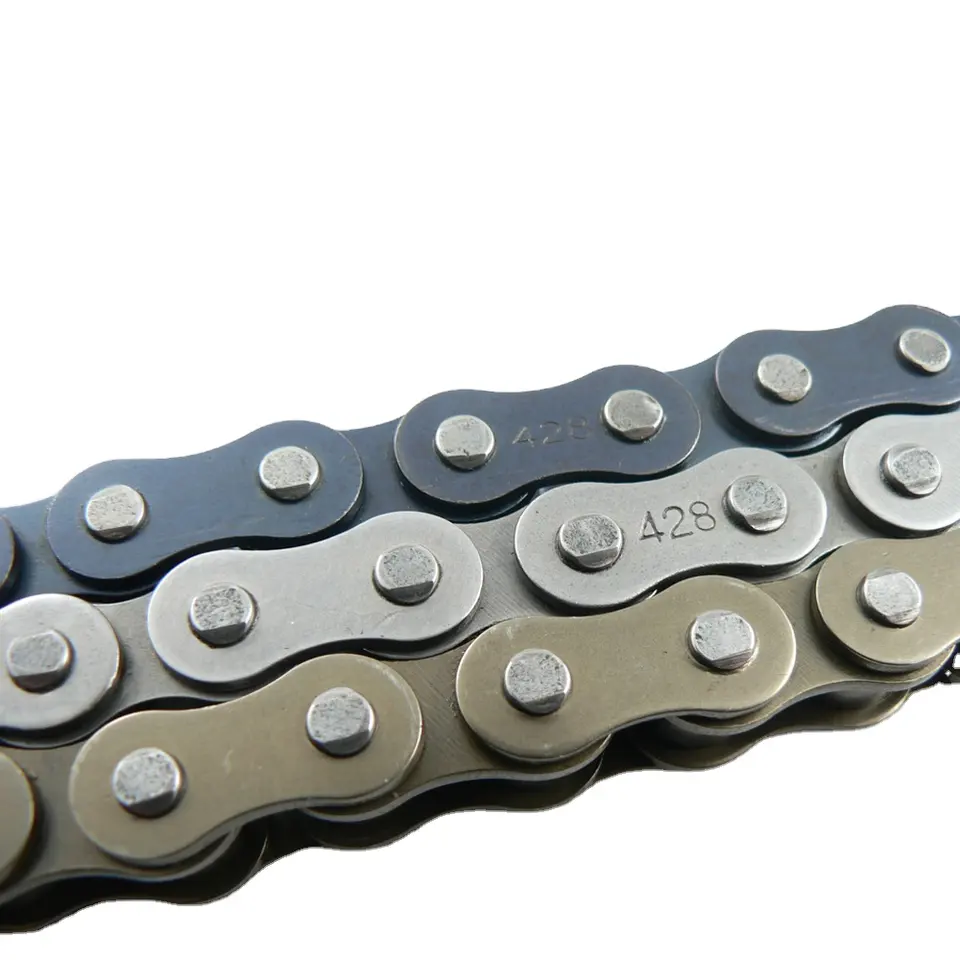
Kas mootorratta ketti saab kasutada kõrge temperatuuri või niiskusega keskkonnas?
Jah, mootorkette saab kasutada kõrge temperatuuri või niiskusega keskkonnas, kuid tuleb arvestada teatud kaalutlustega.
Kõrged temperatuurid:
Kõrge temperatuuriga keskkonnas töötades on oluline valida mootorikett, mis talub kõrgeid temperatuure. Kõrge temperatuuriga rakendusteks mõeldud kettide ehitamiseks kasutatakse sageli spetsiaalseid kuumakindlaid materjale, näiteks kuumtöödeldud terast või sulameid. Nendel materjalidel on suurepärane kuumakindlus ning need säilitavad oma tugevuse ja jõudluse isegi kõrgetel temperatuuridel.
Lisaks sobiva ketimaterjali valimisele muutub kõrge temperatuuriga keskkonnas veelgi olulisemaks ka õige määrimine. Kasutataval määrdeainel peaks olema kõrge temperatuuritaluvus, et tagada piisav määrimine ja vältida enneaegset kulumist. Keti seisukorra ja määrimistaseme regulaarne jälgimine on oluline selle toimivuse säilitamiseks ja kuumuse mõju minimeerimiseks.
Niiskus:
Niiskes keskkonnas suureneb mootorikettide korrosiooni ja rooste tekkimise oht. Selle probleemi lahendamiseks kasutatakse mootorikettide puhul tavaliselt korrosioonikindlaid materjale ja katteid. Roostevabast terasest ketid või spetsiaalse korrosioonikindla kattega ketid pakuvad paremat kaitset niiskuse ja õhuniiskuse eest.
Niiskes keskkonnas on niiskuse tungimise ja korrosiooni tekkimise vältimiseks ülioluline ka korralik hooldus ja määrimine. Regulaarne kontroll, puhastamine ja korrosioonivastaste määrdeainetega määrimine aitab pikendada keti eluiga ja säilitada selle jõudlust.
Oluline on märkida, et kuigi mootorkette saab kasutada kõrge temperatuuriga või niiskes keskkonnas, võib see siiski mõjutada nende jõudlust ja eluiga. Sellistes tingimustes mootorkettide kasutamise kohta on soovitatav konsulteerida keti tootjaga, et saada konkreetseid juhiseid ja soovitusi. Lisaks tuleks kaaluda nõuetekohast ventilatsiooni ja keskkonnakontrolli, et minimeerida kõrge temperatuuri või niiskuse mõju keti jõudlusele.
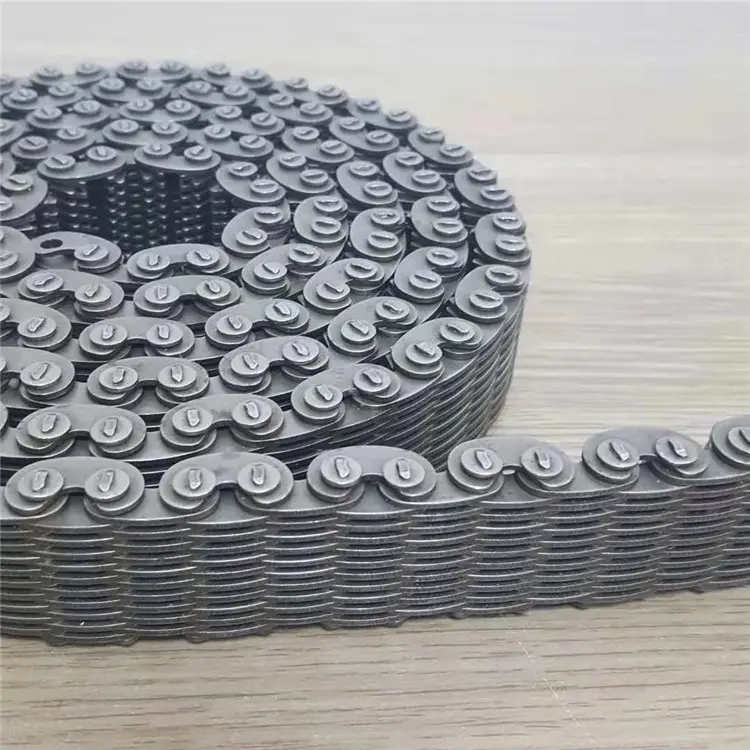
Kas mootorikett suudab taluda raskeid koormusi?
Jah, mootorketid on loodud raskete koormuste talumiseks erinevates rakendustes. Siin on mõned tegurid, mida arvestada:
1. Keti tugevus: Mootoriketidel on erinevad tugevusklassid, mida tavaliselt mõõdetakse nende maksimaalse lubatud pinge või tõmbetugevuse järgi. Oluline on valida mootorikett, mille tugevusklass sobib teie rakenduse eeldatavate koormustega. Kõrgema tugevusklassiga ketid suudavad taluda raskemaid koormusi.
2. Keti materjal: Mootoriketid on tavaliselt valmistatud ülitugevast terasest või sulammaterjalidest, mis pakuvad suurepärast vastupidavust ja kandevõimet. Materjali valik sõltub konkreetsetest rakendusnõuetest, sealhulgas eeldatavast koormusest, keskkonnatingimustest ja kõikidest regulatiivsetest standarditest.
3. Keti konstruktsioon: Raskete koormuste jaoks mõeldud mootorkettidel on sageli vastupidavad konstruktsioonielemendid, mis parandavad nende kandevõimet. Nende hulka võivad kuuluda suuremad sammud, paksemad plaadid, karastatud komponendid ja täppistootmine. See konstruktsioon tagab, et kett talub raskete koormustega seotud jõude ja pingeid.
4. Määrimine: Nõuetekohane määrimine on raskete koormatega mootorkettide jaoks hädavajalik. See aitab vähendada hõõrdumist ja kulumist, tagades sujuva töö ja pikendades keti kasutusiga. Piisav määrimine hoiab ära ka ülekuumenemise ja korrosiooni, mis võib negatiivselt mõjutada keti kandevõimet.
5. Ketiratta disain: Mootori ketiga haarduvad ketirattad mängivad samuti olulist rolli raskete koormuste käsitsemisel. Ketirattad peaksid olema konstrueeritud nii, et need jaotavad koormuse ühtlaselt kogu ketile ja tagavad usaldusväärse haarde. Tugevad ja õige suurusega ketirattad tagavad, et kett suudab raskeid koormusi tõhusalt edastada ilma liigse kulumise või riketeta.
Raskete koormuste rakenduste jaoks mõeldud mootoriketi valimisel on oluline tutvuda tootja spetsifikatsioonide ja juhistega. Need võivad anda üksikasjalikku teavet keti kandevõime kohta, sealhulgas selliseid tegureid nagu tõmbetugevus, töökoormuse piirangud ja soovitatavad ohutustegurid. Keti õige valik, regulaarne hooldus ja koormuspiirangute järgimine on võtmetähtsusega ohutu ja tõhusa töö tagamiseks raskete koormuste korral.

Mis on mootorikett ja kuidas seda kasutatakse?
Mootorikett, tuntud ka kui jõuülekandekett, on mehaaniline seade, mida kasutatakse mootori või jõuülekande jõu edastamiseks masina või süsteemi erinevatesse osadesse. See koosneb omavahel ühendatud lülidest, mis moodustavad painduva ja vastupidava keti.
Mootorikette kasutatakse laialdaselt mitmesugustes rakendustes, sealhulgas autotööstuses, tööstusmasinates, põllumajandusseadmetes ja konveiersüsteemides. Neil on oluline roll pöörleva liikumise ja jõu edastamisel mootorilt erinevatele komponentidele, nagu rattad, hammasrattad, ketirattad või rihmarattad.
Mootoriketi kasutatakse tavaliselt järgmiselt.
1. Jõuülekanne: Mootoriketi peamine ülesanne on edastada mootorilt jõudu süsteemi teistele osadele. Kui mootor pöörleb, paneb see ajamiga käima keti, mis omakorda paneb ajamiga käima ühendatud komponente, võimaldades neil täita oma ettenähtud funktsioone.
2. Kiiruse ja pöördemomendi muundamine: Mootoriketid on konstrueeritud edastama võimsust erinevatel kiirustel ja teisendama pöördemomenti mootori ja käitatavate komponentide vahel. Sobivate ketirataste suuruste ja keti pikkuste valimisega saab pöörlemiskiirust ja pöördemomenti reguleerida vastavalt süsteemi nõuetele.
3. Paindlikkus ja kohanemisvõime: Mootoriketid on paindlikud ja kohanemisvõimelised, võimaldades neid kasutada erinevates suundades ja konfiguratsioonides. Need taluvad joondushäireid, ebaühtlast koormust ja suunamuutusi, mistõttu sobivad need keerukate masinate ja süsteemide jaoks.
4. Hooldus ja määrimine: Mootoriketi usaldusväärse töö tagamiseks on oluline nõuetekohane hooldus ja määrimine. Regulaarne kontroll, puhastamine ja määrimine aitavad vähendada hõõrdumist, kulumist ja korrosiooni, tagades keti optimaalse jõudluse ja pikaealisuse.
Mootoriketid on saadaval erineva suuruse, disaini ja materjaliga, et need sobiksid konkreetsete rakendustega. Õige keti valimine konkreetse süsteemi jaoks hõlmab selliste tegurite arvessevõtmist nagu kandevõime, kiirus, keskkond ja ühilduvus teiste komponentidega. Ohutu ja tõhusa töö tagamiseks on oluline järgida tootja juhiseid ja tööstusstandardeid.


toimetaja CX poolt 2024-04-04