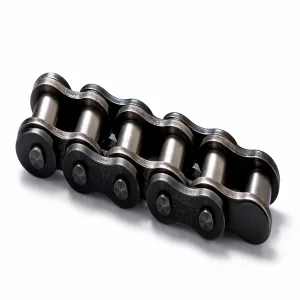
Καδένα χρονισμού μοτοσικλέτας *25 *25H *25SH σειρά 06B

Αλυσίδες χρονισμού μοτοσικλετών στις σειρές *25, *25H, *25SH, 05H-1, *219HT, *BF05T, 06BH, 06BT, 06B, *35 — βήμα από 6,350 mm έως 9,525 mm, αντοχή σε εφελκυσμό από 3,50 kN (*25) έως 19,00 kN (*35-2). Χρησιμοποιούνται για συγχρονισμό εκκεντροφόρου άξονα, κίνηση στροφαλοφόρου άξονα και πρωτεύον κιβώτιο ταχυτήτων σε τετράχρονους κινητήρες μοτοσικλετών. Περιλαμβάνεται σύγκριση αλυσίδας χρονισμού με κυλίνδρους έναντι αθόρυβης αλυσίδας.
Πώς λειτουργεί η αλυσίδα χρονισμού σε έναν κινητήρα μοτοσικλέτας
ΕΝΑ αλυσίδα χρονισμού μοτοσικλέτας είναι ο μηχανικός σύνδεσμος μεταξύ του στροφαλοφόρου άξονα και του εκκεντροφόρου άξονα μέσα σε έναν τετράχρονο κινητήρα. Η λειτουργία του είναι ακριβής: ο στροφαλοφόρος άξονας περιστρέφεται δύο φορές για κάθε έναν πλήρη κύκλο καύσης και ο εκκεντροφόρος άξονας πρέπει να περιστρέφεται ακριβώς στη μισή αυτή ταχύτητα, ώστε οι βαλβίδες εισαγωγής και εξαγωγής να ανοίγουν και να κλείνουν τη σωστή στιγμή σε σχέση με τη θέση του εμβόλου. Εάν αυτοί οι χρονισμοί αποκλίνουν — έστω και ελαφρώς — η οικονομία καυσίμου μειώνεται, η ισχύς μειώνεται και, σε σοβαρές περιπτώσεις, η επαφή βαλβίδας-εμβόλου συμβαίνει σε υψηλές στροφές.
Σε αντίθεση με την πίσω αλυσίδα κίνησης στο εξωτερικό του κινητήρα, η αλυσίδα χρονισμού λειτουργεί σε ένα σφραγισμένο περιβάλλον με υγρό λάδι. Λιπαίνεται συνεχώς από το ίδιο το σύστημα λαδιού του κινητήρα, δεν απαιτεί εξωτερική συντήρηση από τον ιδιοκτήτη και διαχειρίζεται από έναν αυτόματο υδραυλικό ή ελατηριωτό εντατήρα που αντισταθμίζει τη φθορά της αλυσίδας με την πάροδο του χρόνου. Όταν μια αλυσίδα χρονισμού φτάσει στο τέλος της διάρκειας ζωής της, τα συμπτώματα είναι μετρήσιμα και ακουστά: ένας κροτάλισμα κατά την εκκίνηση με κρύο κινητήρα από το κάλυμμα χρονισμού, μια ελαφρά καθυστέρηση χρονισμού βαλβίδων που εμφανίζεται ως ήπια απώλεια ισχύος και σε προχωρημένη φθορά, μια διαλείπουσα αστοχία καθώς η αλυσίδα παραλείπει ένα δόντι υπό φορτίο.
Η Korea Ever-Power Motorcycle Chain Co., Ltd. προμηθεύει αλυσίδες χρονισμού σε τρία μεγέθη βήματος — 6,350 mm, 7,774 mm και 9,525 mm — καλύπτοντας τις σειρές *25, *25H, *25SH, 05H-1, *219HT, *BF05T, 06BH, 06BT, 06B, *35 και *C35. Αυτές είναι οι οικογένειες βημάτων που συναντώνται συχνότερα σε τετράχρονους κινητήρες μικρού έως μεσαίου κυβισμού. αλυσίδες μοτοσικλέτας και εφαρμογές κινητήρων.
Πίνακας μεγεθών αλυσίδας χρονισμού
Ο πίνακας καλύπτει όλες τις σειρές αλυσίδων χρονισμού της γκάμας μας. Το εγκάρσιο βήμα (Pt) ισχύει μόνο για τις παραλλαγές διπλής έλικας (06BT-2, *35-2, *C35*2, 06B-2). Οι αλυσίδες μονής έλικας αφήνουν αυτό το κελί κενό. Η μέγιστη αντοχή σε εφελκυσμό (Q min) είναι το ελάχιστο εγγυημένο φορτίο θραύσης. Η μέση αντοχή σε εφελκυσμό (Q0) αντικατοπτρίζει τον μέσο όρο μεταξύ των δειγμάτων που δοκιμάστηκαν από κάθε παρτίδα παραγωγής.
| Αριθμός αλυσίδας | Πίσσα | Εγκάρσιο βήμα | Πλάτος μεταξύ των εσωτερικών πλακών | Διάμετρος κυλίνδρου. | Διάμετρος καρφιτσών. | Μήκος καρφίτσας | Εσωτερικό ύψος πλάκας | Μέγιστη αντοχή σε εφελκυσμό | Μέση αντοχή σε εφελκυσμό | Βάρος |
| π | Δευτ. | b1 λεπτό | μέγιστο d1 | μέγιστο d2 | Μέγιστο λίτρο | μέγιστο h2 | Q λεπτά | Τρίμηνο 0 | q | |
| χιλ. | χιλ. | χιλ. | χιλ. | χιλ. | χιλ. | χιλ. | kN | kN | kg/m | |
| *25 | 6.350 | — | 3.10 | 3.30 | 2.31 | 7.80 | 5.90 | 3.50 | 4.20 | 0.14 |
| *25 ώρες | 6.350 | — | 3.10 | 3.30 | 2.31 | 9.00 | 5.90 | 4.80 | 5.20 | 0.18 |
| *25SH | 6.350 | — | 3.10 | 3.30 | 2.01 | 9.00 | 5.90 | 5.20 | 5.50 | 0.17 |
| 5.00E-01 | 8.000 | — | 4.60 | 5.65 | 3.05 | 12.35 | 7.60 | 7.80 | 8.20 | 0.38 |
| O5H-1 | 8.000 | — | 4.60 | 5.65 | 3.05 | 11.40 | 7.60 | 7.80 | 8.20 | 0.38 |
| *219HT | 7.774 | — | 4.90 | 4.59 | 3.00 | 11.50 | 7.50 | 7.80 | 9.50 | 0.32 |
| *BF05T | 8.000 | — | 4.80 | 4.77 | 3.28 | 11.60 | 7.60 | 7.00 | 9.20 | 0.35 |
| 06BH | 9.525 | — | 3.84 | 6.35 | 3.28 | 10.60 | 8.20 | 9.00 | 9.50 | 0.35 |
| 06BT-l | 9.525 | — | 5.72 | 6.35 | 3.28 | 12.50 | 8.20 | 9.00 | 9.50 | 0.39 |
| 06BT-2 | 9.525 | 10.24 | 5.72 | 6.35 | 3.28 | 22.90 | 8.20 | 16.90 | 17.90 | 0.80 |
| *C35*2 | 9.525 | 10.13 | 5.72 | 5.08 | 3.58 | 22.20 | 8.70 | 15.80 | 19.00 | 1.21 |
| *35-1 | 9.525 | — | 5.72 | 5.08 | 3.58 | 12.15 | 8.95 | 7.90 | 9.80 | 0.33 |
| *35-2 | 9.525 | 10.13 | 5.72 | 5.08 | 3.58 | 22.20 | 8.95 | 15.80 | 19.00 | 0.63 |
| 06Β-1 | 9.525 | — | 5.72 | 6.35 | 3.28 | 13.20 | 8.20 | 8.90 | 10.00 | 0.41 |
| 06Β-2 | 9.525 | 10.24 | 5.72 | 6.35 | 3.28 | 23.50 | 8.20 | 16.90 | 17.90 | 0.77 |
| 06BH | 9.525 | — | 5.72 | 6.35 | 3.28 | 13.90 | 8.20 | 9.00 | 10.00 | 0.45 |
Καδένα χρονισμού με κυλίνδρους vs αθόρυβη αλυσίδα — Ποια χρησιμοποιεί ο κινητήρας σας;
Οι όροι «αλυσίδα χρονισμού» και «αλυσίδα εκκεντροφόρου» αναφέρονται και οι δύο στη μετάδοση κίνησης βαλβίδων του κινητήρα, αλλά ο τύπος της αλυσίδας ποικίλλει ανάλογα με τον σχεδιασμό του κινητήρα. Οι αλυσίδες χρονισμού με κυλίνδρους (οι σειρές *25, 06B, *35 παραπάνω) και οι αθόρυβες αλυσίδες (η σειρά CL04 καλύπτεται ξεχωριστά) εξυπηρετούν την ίδια λειτουργία μέσω διαφορετικών μηχανικών προσεγγίσεων. Η γνώση του τύπου που χρησιμοποιεί ο κινητήρας σας έχει σημασία κατά την αναζήτηση αντικατάστασης — τα προφίλ των δοντιών του γραναζιού διαφέρουν μεταξύ των δύο τύπων και δεν είναι εναλλάξιμα.

| Χαρακτηριστικό | Καδένα χρονισμού με κυλίνδρους (σειρές *25, 06B, *35) | Αθόρυβη Αλυσίδα (σειρά CL04) |
|---|---|---|
| Μηχανισμός κίνησης | Οι κύλινδροι κάθονται στις κοιλάδες των δοντιών του αλυσοτροχού | Πλάκες ανεστραμμένης οδοντωτής ίνας πλέκονται με επίπεδες επιφάνειες γραναζιών |
| Θόρυβος κατά την εμπλοκή | Υψηλότερη — κρούση κυλίνδρου σε κάθε δόντι | Κάτω — ομαλή συρόμενη επαφή πλέγματος |
| Κοινό σε | Παλαιότεροι κινητήρες SOHC/DOHC, μοντέλα προϋπολογισμού | Σύγχρονοι κινητήρες DOHC, εφαρμογές απόδοσης |
| Προφίλ δοντιού γραναζιού | Καμπύλη κοιλάδα για καθίσματα με κυλίνδρους | Επίπεδη επιφάνεια για πλέγμα πλάκας — μη εναλλάξιμη |
| Λάδωμα | Σύστημα λαδιού κινητήρα — χωρίς εξωτερική συντήρηση | Σύστημα λαδιού κινητήρα — χωρίς εξωτερική συντήρηση |
| Αναγνώριση στον κινητήρα | Στρογγυλοί κύλινδροι ορατοί μεταξύ των πλακών σύνδεσης | Επίπεδες πλάκες σύνδεσης προφίλ δοντιών, χωρίς κυλίνδρους |
| Συμβατότητα αντικατάστασης | Πρέπει να χρησιμοποιηθεί τύπος κυλίνδρου με αντίστοιχο γρανάζι κυλίνδρου | Πρέπει να χρησιμοποιείται αθόρυβος τύπος με αντίστοιχο αθόρυβο γρανάζι |
Για να επιβεβαιώσετε τον τύπο που χρησιμοποιεί ο κινητήρας σας, ελέγξτε μέσα από το άνοιγμα του καπακιού πλήρωσης λαδιού με τον κινητήρα ζεστό ή αφαιρέστε το κάλυμμα χρονισμού με τα κατάλληλα εργαλεία — οι αλυσίδες με κυλινδρικούς κυλίνδρους διακρίνονται αμέσως από τους στρογγυλούς κυλίνδρους τους ανάμεσα στις πλάκες. Το εγχειρίδιο σέρβις της μοτοσικλέτας σας θα καθορίσει τον αριθμό σειράς αλυσίδας, το βήμα και τον αριθμό συνδέσμων που απαιτούνται για την αντικατάσταση.
Ο κύκλος της αλυσίδας χρονισμού — Βήμα προς βήμα
Η κατανόηση του τρόπου με τον οποίο η καδένα χρονισμού μεταφράζει την περιστροφή του στροφαλοφόρου άξονα σε ακριβή κίνηση της βαλβίδας βοηθά στην αποσαφήνιση του γιατί η κατάσταση της αλυσίδας επηρεάζει κάθε πτυχή της απόδοσης του κινητήρα:
- 1
Ο στροφαλοφόρος άξονας περιστρέφεται συνεχώς ενώ ο κινητήρας λειτουργεί, κινούμενος από την πίεση καύσης που ασκείται στα έμβολα. - 2
Ένας οδοντωτός τροχός στερεωμένος στον στροφαλοφόρο άξονα κινεί την καδένα χρονισμού. Η αλυσίδα μεταδίδει αυτήν την περιστροφή προς τα πάνω μέσω του μπλοκ κινητήρα στον οδοντωτό τροχό του εκκεντροφόρου άξονα — ο οποίος έχει διπλάσιο αριθμό δοντιών από τον οδοντωτό τροχό του στροφαλοφόρου άξονα, επομένως ο εκκεντροφόρος άξονας περιστρέφεται με τη μισή ταχύτητα του στροφαλοφόρου άξονα. - 3
Οι λοβοί του εκκεντροφόρου άξονα πιέζουν τα εξαρτήματα του συστήματος βαλβίδων (κοτσαδόροι, ωστήρια ή ολισθητήρες) με μια ακριβώς σχεδιασμένη ακολουθία, ανοίγοντας τις βαλβίδες εισαγωγής και εξαγωγής σε ελεγχόμενες χρονικές περιόδους και ανυψώσεις. - 4
Ο χρονισμός των βαλβίδων καθορίζει πότε το μείγμα αέρα-καυσίμου εισέρχεται στον κύλινδρο (βαλβίδα εισαγωγής) και πότε εξέρχονται τα καυσαέρια (βαλβίδα εξαγωγής). Αυτά τα συμβάντα πρέπει να συντονίζονται με τη θέση του εμβόλου για τη μεγιστοποίηση της απόδοσης καύσης. - 5
Καθώς η αλυσίδα φθείρεται και επιμηκύνεται, ο χρονισμός του εκκεντροφόρου επιβραδύνεται ελαφρώς σε σχέση με τον στροφαλοφόρο άξονα. Το σύστημα διαχείρισης κινητήρα (σε κινητήρες με ψεκασμό καυσίμου) ή ο έλεγχος χρονισμού του μηχανικού (σε κινητήρες με καρμπυρατέρ) ανιχνεύει αυτήν την απόκλιση. Οι τακτικές αλλαγές λαδιού επιβραδύνουν τη φθορά της αλυσίδας. Η παραμέληση των διαστημάτων αλλαγής λαδιού την επιταχύνει σημαντικά.
Σημάδια ότι μια αλυσίδα χρονισμού χρειάζεται αντικατάσταση
Αλυσίδες χρονισμού μοτοσικλετών έχουν σχεδιαστεί για να διαρκούν για όλη τη διάρκεια ζωής του κινητήρα — συνήθως 100.000–160.000 χλμ. — αλλά η κακή συντήρηση λαδιού ή οι τροποποιήσεις του κινητήρα υψηλής απόδοσης μπορούν να μειώσουν σημαντικά αυτή τη διάρκεια ζωής. Προσέξτε αυτούς τους συγκεκριμένους δείκτες:

- →
Κροτάλισμα ή χτύπημα κατά την εκκίνηση: Μια φθαρμένη ή χαλαρή αλυσίδα χτυπάει στο κάλυμμα χρονισμού πριν αυξηθεί η πίεση λαδιού και σφίξει πλήρως ο τεντωτήρας. Ο θόρυβος συνήθως μειώνεται μόλις ζεσταθεί ο κινητήρας και κυκλοφορήσει το λάδι, αλλά επιστρέφει σε κάθε κρύα εκκίνηση. Αυτό είναι το πιο πρώιμο και αξιόπιστο σύμπτωμα. - →
Λανθασμένη ανάφλεξη ή τραχύ ρελαντί: Ο καθυστερημένος χρονισμός βαλβίδων λόγω τάνυσης της αλυσίδας μειώνει την απόδοση πλήρωσης κυλίνδρων. Ο κινητήρας λειτουργεί ανομοιόμορφα στο ρελαντί, η απόκριση του γκαζιού γίνεται αργή και η κατανάλωση καυσίμου αυξάνεται χωρίς αντίστοιχη αύξηση στην απόδοση. - →
Ελέγξτε τη λυχνία κινητήρα με κωδικούς που σχετίζονται με το χρονισμό: Οι σύγχρονοι κινητήρες με ψεκασμό καυσίμου παρακολουθούν τη θέση του εκκεντροφόρου μέσω ενός αισθητήρα. Εάν η ECU ανιχνεύσει χρονισμό εκκεντροφόρου εκτός του αναμενόμενου παραθύρου για μια δεδομένη θέση στροφάλου, ορίζει έναν κωδικό σφάλματος. Οι κωδικοί που αναφέρονται στη θέση του εκκεντροφόρου, στον μεταβλητό χρονισμό βαλβίδων ή στη συσχέτιση εκκεντροφόρου-στροφάλου δείχνουν απευθείας στην κατάσταση της αλυσίδας. - →
Δυσκολία εκκίνησης μετά από διακοπή λειτουργίας εν θερμώ: Μια πολύ φθαρμένη αλυσίδα με τεντωμένο τεντωτήρα μπορεί να επιτρέψει στην αλυσίδα να χαλαρώσει αρκετά όταν σταματήσει ο κινητήρας, ώστε να ακουμπήσει εν μέρει στο γρανάζι του εκκεντροφόρου. Ο κινητήρας περιστρέφεται, αλλά ο χρονισμός είναι αρκετά διαφορετικός ώστε να μην ξεκινήσει η καύση. Αυτό υποδεικνύει ότι η αλυσίδα έχει υποστεί βλάβη ή έχει παρέλθει η βλάβη — μην συνεχίσετε την οδήγηση.
Για να παρατείνετε τη διάρκεια ζωής της καδένας χρονισμού: αλλάξτε το λάδι κινητήρα στο συνιστώμενο διάστημα του κατασκευαστή ή πριν από αυτό, χρησιμοποιώντας τον σωστό βαθμό ιξώδους. Αποφύγετε το παρατεταμένο ρελαντί αμέσως μετά από μια κρύα εκκίνηση (αφήστε 60-90 δευτερόλεπτα για να δημιουργηθεί πίεση λαδιού πριν από την οδήγηση) και αποφύγετε τη χρήση σε υψηλές στροφές μέχρι ο κινητήρας να φτάσει σε θερμοκρασία λειτουργίας. Αυτές οι τρεις συνήθειες μαζί έχουν μεγαλύτερη επίδραση στη διάρκεια ζωής της καδένας από οποιονδήποτε άλλο μεμονωμένο παράγοντα συντήρησης.
Γρανάζια καδένας χρονισμού — Τύποι και πρακτική αντικατάστασης
Τρία γρανάζια εμπλέκονται συνήθως στη μετάδοση κίνησης χρονισμού μιας μοτοσικλέτας: το γρανάζι του στροφαλοφόρου άξονα, το γρανάζι του εκκεντροφόρου άξονα (ένα ανά έκκεντρο σε κινητήρες DOHC) και σε ορισμένα σχέδια ένα ενδιάμεσο ή τεντωτήρα αδρανούς τροχού. Και τα τρία κατασκευάζονται με ακριβείς ανοχές — το προφίλ των δοντιών, το βήμα και η διάμετρος πρέπει να ταιριάζουν ακριβώς με τις προδιαγραφές της αλυσίδας.
Γρανάζι στροφαλοφόρου άξονα: Βρίσκεται στο άκρο του στροφαλοφόρου άξονα, είναι το μικρότερο γρανάζι και κινεί την αλυσίδα. Ο αριθμός των δοντιών του καθορίζει τη βασική σχέση χρονισμού. Επειδή είναι το μικρότερο και ταχύτερα περιστρεφόμενο γρανάζι στο σύστημα χρονισμού, συνήθως φθείρεται ταχύτερα. Οποιαδήποτε σημάδια στις επιφάνειες των δοντιών ή ορατή στρογγυλοποίηση των άκρων των δοντιών υποδηλώνουν ότι χρειάζεται αντικατάσταση.
Γρανάζι εκκεντροφόρου άξονα: Στερεωμένο στο άκρο του εκκεντροφόρου άξονα, αυτό είναι μεγαλύτερο από το γρανάζι του στροφαλοφόρου άξονα — συνήθως αναλογία δοντιών 2:1. Σε κινητήρες μεταβλητού χρονισμού βαλβίδων (VVT), το γρανάζι εκκεντροφόρου ενσωματώνει έναν υδραυλικά ενεργοποιημένο μηχανισμό φάσης. Η αντικατάσταση του γραναζιού εκκεντροφόρου απαιτεί τον ταυτόχρονο έλεγχο ή την αντικατάσταση του φάσης.
Ενδιάμεσο γρανάζι: Ορισμένα σχέδια πολυκύλινδρου κινητήρα δρομολογούν την καδένα χρονισμού μέσω ενός πρόσθετου οδηγού ή αδρανή τροχού για την απομάκρυνση εμποδίων ή τον έλεγχο της γεωμετρίας τάσης της αλυσίδας. Αυτό το γρανάζι φέρει το φορτίο στην πίσω πλευρά της αλυσίδας και φθείρεται στην μη κινητήρια επιφάνεια των δοντιών του — ένα διαφορετικό μοτίβο φθοράς από τα γρανάζια κίνησης. Επιθεωρήστε την προσεκτικά κατά τον έλεγχο της αλυσίδας.
Αντικατάσταση γρανάζια αλυσίδας Καθώς ένα πλήρες σετ με αλυσίδα είναι συνήθης πρακτική — τα μεμονωμένα εξαρτήματα που φθαρούν ώστε να ταιριάζουν μεταξύ τους δεν θα φθείρουν ομοιόμορφα μια νέα αλυσίδα ή γρανάζι, επιταχύνοντας την αστοχία οποιουδήποτε εξαρτήματος ανανεώθηκε μόνο του.

Κορέα Ever-Power Motorcycle Chain Co., Ltd.
Η Korea Ever-Power Motorcycle Chain Co., Ltd. προμηθεύει αλυσίδες χρονισμού τύπου κυλίνδρου (οι σειρές που καλύπτονται σε αυτήν τη σελίδα) και αθόρυβες αλυσίδες (σειρά CL04) για εφαρμογές σε κινητήρες μοτοσικλετών. Το δίκτυο παραγωγής μας διαθέτει πιστοποιημένη διαχείριση ποιότητας ISO 9001 με ειδικά χειριστήρια για αλυσίδες εφαρμογών κινητήρα: έλεγχος διαστάσεων βήματος, διαμέτρου κυλίνδρου και ύψους εσωτερικής πλάκας σε σχέση με μετρητές αναφοράς, δοκιμή εφελκυσμού ανά παρτίδα παραγωγής και έλεγχος αρθρώσεων πριν από τη συσκευασία. Επικοινωνήστε μαζί μας αναφέροντας τον αριθμό μοντέλου του κινητήρα σας και τον τρέχοντα αριθμό εξαρτήματος αλυσίδας για επιβεβαίωση διασταυρούμενης αναφοράς πριν από την παραγγελία.

Συχνές ερωτήσεις
Πώς διαφέρει μια καδένα χρονισμού από την πίσω καδένα μετάδοσης κίνησης;
Η πίσω αλυσίδα μετάδοσης κίνησης βρίσκεται εξωτερικά του κινητήρα, μεταφέρει ισχύ από τον άξονα εξόδου του κινητήρα στον πίσω τροχό, απαιτεί περιοδική εξωτερική λίπανση και ρύθμιση τάσης από τον ιδιοκτήτη και αντικαθίσταται κάθε 15.000–30.000 χλμ. ανάλογα με τον τύπο. Μια αλυσίδα χρονισμού βρίσκεται μέσα στον κινητήρα, λιπαίνεται αυτόματα με λάδι κινητήρα, η τάση της διαχειρίζεται από έναν αυτόματο εντατήρα και έχει σχεδιαστεί για να διαρκεί 100.000+ χλμ. Οι δύο αυτές μηχανικές λειτουργίες εξυπηρετούν εντελώς διαφορετικές και δεν είναι εναλλάξιμες σε καμία διάσταση.
Μπορώ να αντικαταστήσω μόνο την καδένα χρονισμού χωρίς να αντικαταστήσω τα γρανάζια;
Τεχνικά εφικτό, αλλά δεν συνιστάται στις περισσότερες περιπτώσεις. Εάν τα γρανάζια παρουσιάζουν φθορά στα δόντια — ακόμη και ελαφρά στρογγυλοποίηση — τα φθαρμένα προφίλ των γραναζιών θα ασκήσουν ανομοιόμορφο φορτίο στους κυλίνδρους της νέας αλυσίδας, επιταχύνοντας τη φθορά. Εάν τα υπάρχοντα γρανάζια είναι πραγματικά άφθαρτα (συνήθως σε σενάρια αντικατάστασης με λίγα χιλιόμετρα), η αντικατάσταση μόνο της αλυσίδας είναι αποδεκτή. Ελέγξτε τα προφίλ των δοντιών των γραναζιών πριν αποφασίσετε.
Επηρεάζει η ποιότητα λαδιού τη διάρκεια ζωής της καδένας χρονισμού;
Ναι, σημαντικά. Η αλυσίδα χρονισμού βασίζεται σε φιλμ λαδιού μεταξύ των επιφανειών του κυλίνδρου και του γραναζιού και μεταξύ των συνδέσμων της αλυσίδας για να αποτρέψει την επαφή μετάλλου με μέταλλο. Η αραίωση λαδιού σε υψηλές θερμοκρασίες λειτουργίας — κάτι που συμβαίνει όταν χρησιμοποιούνται λανθασμένες βαθμίδες ιξώδους — μειώνει αυτό το πάχος φιλμ. Η χρήση του τύπου λαδιού που καθορίζεται από τον κατασκευαστή και η αλλαγή του στο συνιστώμενο διάστημα ή πριν από αυτό είναι η πιο αποτελεσματική προστασία για την αλυσίδα χρονισμού.
Ποια είναι η διαφορά μεταξύ *25 και *25H και *25SH;
Και οι τρεις έχουν το ίδιο βήμα και εσωτερικό πλάτος 6,350 mm. Το *25 είναι η στάνταρ έκδοση με ελάχιστη αντοχή σε εφελκυσμό 3,50 kN, 0,14 kg/m. Το *25H αναβαθμίζει την αντοχή σε εφελκυσμό σε ελάχιστο 4,80 kN με μεγαλύτερο μήκος πείρου (9,00 έναντι 7,80 mm) και μεγαλύτερο βάρος (0,18 kg/m). Το *25SH επιτυγχάνει ελάχιστη αντοχή σε εφελκυσμό 5,20 kN — την υψηλότερη στην οικογένεια των 6,350 mm — με μικρότερη διάμετρο πείρου (2,01 έναντι 2,31 mm), γεγονός που υποδηλώνει διαφορετική προσέγγιση κράματος ή θερμικής επεξεργασίας για την επίτευξη υψηλότερης αντοχής σε μειωμένη διατομή πείρου. Επιβεβαιώστε τις αρχικές προδιαγραφές από τη λίστα ανταλλακτικών της μοτοσικλέτας πριν κάνετε αντικατάσταση μεταξύ των παραλλαγών.
Πώς μπορώ να προσδιορίσω ποια σειρά καδένας χρονισμού χρησιμοποιεί ο κινητήρας μου;
Η πιο αξιόπιστη προσέγγιση είναι η επίσημη λίστα ανταλλακτικών ή το εγχειρίδιο σέρβις της μοτοσικλέτας, το οποίο καθορίζει τον αριθμό εξαρτήματος και τις διαστάσεις της αλυσίδας. Εάν η αρχική αλυσίδα έχει αφαιρεθεί και είναι προσβάσιμη, μετρήστε το βήμα (απόσταση από κέντρο καρφίτσας σε κέντρο καρφίτσας) και το εσωτερικό πλάτος — αυτά τα δύο στοιχεία περιορίζουν την επιλογή σε μία ή δύο σειρές. Επικοινωνήστε μαζί μας με το μοντέλο του κινητήρα, το έτος και τις μετρούμενες διαστάσεις για επιβεβαίωση διασταύρωσης.
Κριτικές πελατών
Κιμ Ντονγκ-τζε, Τεχνικός Ανακατασκευής Κινητήρα, Σεούλ (Φεβρουάριος 2025)
«Χρησιμοποίησα το 06BT-l για την αντικατάσταση της αλυσίδας εκκεντροφόρου σε μια ανακατασκευή ενός μονοκύλινδρου κινητήρα 150cc. Οι διαστάσεις ταίριαζαν ακριβώς με τις προδιαγραφές του αρχικού κατασκευαστή — το βήμα, το εσωτερικό πλάτος και η διάμετρος του κυλίνδρου ελέγχθηκαν με δαγκάνες πριν από την εγκατάσταση. Ο κινητήρας λειτουργεί αθόρυβα μετά την ανακατασκευή. Η Korea Ever-Power ανταποκρίθηκε γρήγορα για να επιβεβαιώσει τη συμβατότητα πριν παραγγείλω.»
Ω Σε-τζουν, Ανεξάρτητος Ιδιοκτήτης Εργαστηρίου, Daejeon (Ιανουάριος 2025)
«Κάνουμε πολλές ανανεώσεις κινητήρων σε μοτοσικλέτες μεγάλων αποστάσεων. Το *25H είναι η τυπική αντικατάσταση κινητήρων που το αντικατέστησαν αρχικά. Σταθερή ποιότητα διαστάσεων σε τρεις παραγγελίες παρτίδας — καμία έκπληξη κατά την εγκατάσταση. Δεδομένα δοκιμών αντοχής σε εφελκυσμό παρέχονται κατόπιν αιτήματος, τα οποία δεν προσφέρουν όλοι οι προμηθευτές.»
Παρκ Τζουν-γκι, Συντηρητής Μοτοσικλετών, Μπουσάν (Νοέμβριος 2024)
«Αποκαθιστώντας έναν δικύλινδρο κινητήρα 250cc της δεκαετίας του 1990 που χρησιμοποιεί 06B-1. Δύσκολο να βρεθεί τοπικά. Η Korea Ever-Power επιβεβαίωσε την αντιστοίχιση των προδιαγραφών και την έστειλε άμεσα. Η αλυσίδα τοποθετήθηκε σωστά και ο χρονισμός του κινητήρα ελέγχθηκε σύμφωνα με τις προδιαγραφές σε μια λυχνία φλας — καμία απόκλιση από τις εργοστασιακές ενδείξεις χρονισμού.»
Λι Σανγκ-γου, Μηχανικός Συντήρησης Στόλου, Ίντσεον (Μάρτιος 2025)
«Διαχείριση ενός στόλου σκούτερ 50cc που χρησιμοποιούν αλυσίδες χρονισμού σειράς *25. Λειτουργία συντήρησης με υψηλό κύκλο εργασιών — χρειαζόμαστε συνεπή εφοδιασμό και προβλέψιμη ποιότητα. Η ποιότητα παρτίδας της Korea Ever-Power ήταν ομοιόμορφη στις τέσσερις τελευταίες παραγγελίες μας. Δεν υπήρχαν προβλήματα εφαρμογής και καμία αποτυχία μετά την εγκατάσταση σε 6 μήνες παρακολούθησης.»
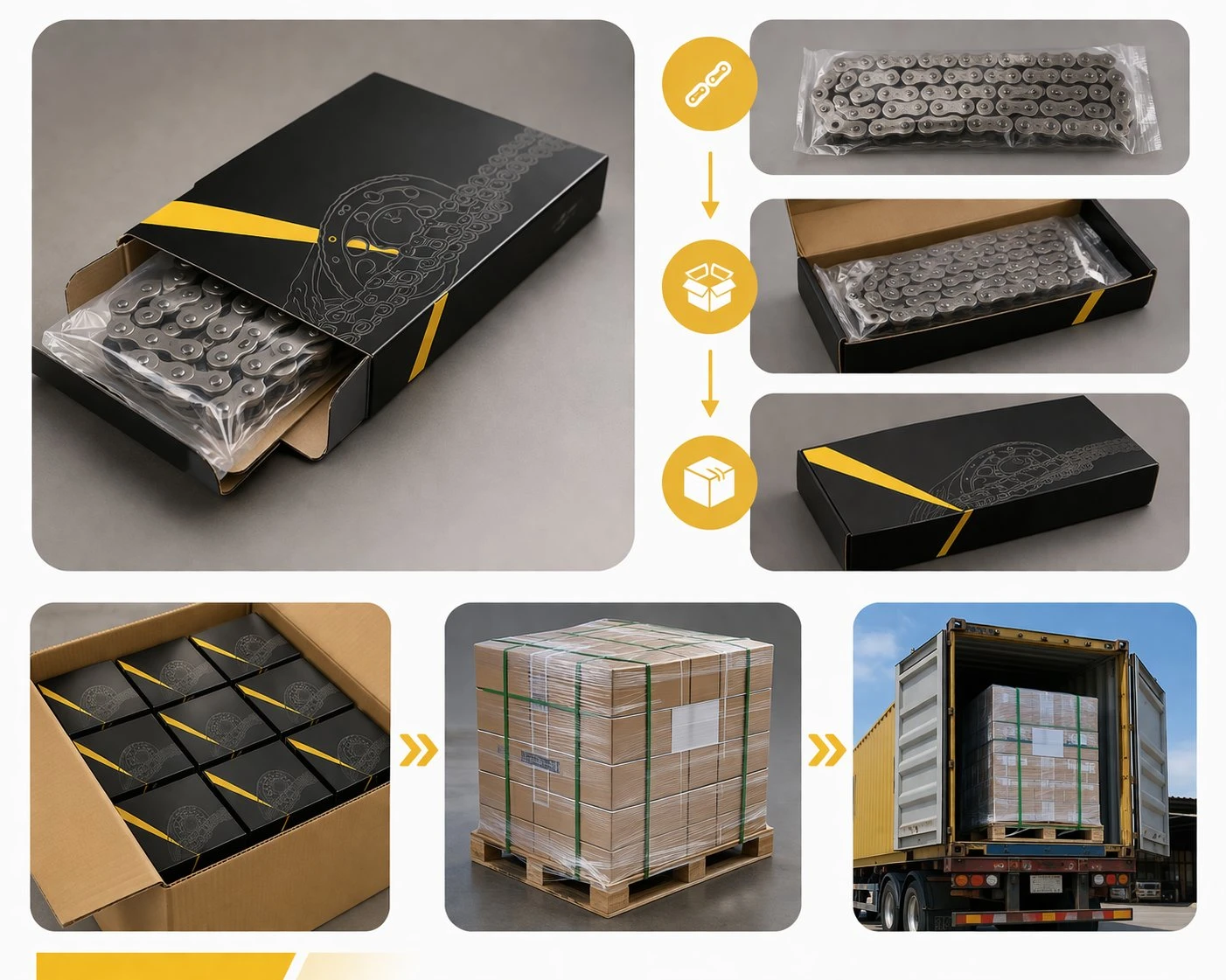
Συσκευασία και Αποστολή
Επιπλέον πληροφορίες
| Συντάκτης | Cxm |
|---|
Σχετικά προϊόντα
-
Αλυσίδα μοτοσικλέτας 420 Standard | Βήμα 12,700 mm, 15,6 kN
-

Αλυσίδα μοτοσικλέτας Super X-Ring 428SX 520-SX 525-SX 530-SX
-
Αλυσίδα μοτοσικλέτας X-Ring 428H-X 520H-X 525H-X 530H-X | Korea Ever-Power
-

Αλυσίδα μοτοσικλέτας O-Ring — Σειρά 415 – 530 HO Sealed
-

Επαγγελματική αλυσίδα μοτοσικλέτας — 415P / 420P / 428P / 520P / 530P Σειρά Solid-Bush
-
Ενισχυμένη αλυσίδα μοτοσικλέτας 415H 420H 428H 520H 525H 530H | Korea Ever-Power
-

Αλυσίδα Μοτοσικλετών Motocross — Σειρά 428 / 520
-
Αλυσίδα Μοτοσικλέτας — Πλήρης γκάμα αλυσίδων μετάδοσης κίνησης από τη σειρά 25 έως την 530H