Professionelle Motorradkette – 415P / 420P / 428P / 520P / 530P Vollbuchsenserie

Professionelle Motorradketten mit Vollgummilagern in den Ausführungen 415P, 420P, 428P, 520P und 530P – Zugfestigkeit von 15,6 kN (415P) bis 28,0 kN (520P/530P). Entwickelt für erfahrene Fahrer und leistungsstarke Anwendungen, die enge Toleranzen, geringe Reibung und eine gleichmäßige Kraftübertragung erfordern. Vollständige Spezifikationstabelle mit Teilung, Rollendurchmesser, Bolzendaten, Laschenstärke und Gewicht.
Produktübersicht
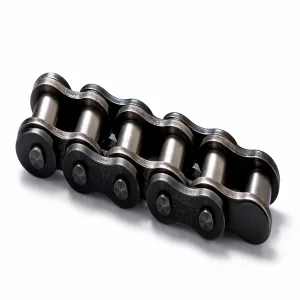
A professionelle Motorradkette Diese Hochleistungs-Antriebskette zeichnet sich durch engere Maßtoleranzen und hochwertigere Materialien als Standard-Rollenketten aus. Sie wird typischerweise von professionellen Rennfahrern und erfahrenen Fahrern eingesetzt, die eine konstante und vorhersehbare Kraftübertragung erwarten und bereit sind, ihren Antriebsstrang in kürzeren Intervallen zu warten. Bei professionellen Ketten stehen geringe Reibung, präzise Teilung und strukturelle Integrität unter maximaler mechanischer Belastung im Vordergrund – Eigenschaften, die darüber entscheiden, ob eine Kette Runde für Runde oder Streckenabschnitt für Streckenabschnitt zuverlässig funktioniert und nicht nur das übliche Austauschintervall übersteht.
Korea Ever-Power Motorcycle Chain Co., Ltd. bietet die professionelle Motorradkette der P-Serie in fünf Größen an: 415P, 420P, 428P, 520P und 530P. Alle fünf Ketten verfügen über eine Buchsenkonstruktion mit massiver Bohrung – dieselbe Buchsenart wie unsere Motocross-Ketten. Diese Konstruktion bietet eine höhere Radialsteifigkeit und eine größere Kontaktfläche zwischen Bolzen und Buchse als die gerollten Buchsen der Standard- und verstärkten H-Ketten. Die Bezeichnung „P“ steht sowohl für die massive Buchse als auch für die engeren Fertigungstoleranzen dieser Serie. Die Zugfestigkeiten reichen von 15,6 kN (415P) bis 28,0 kN (520P und 530P).
Professionelle Motorradketten-Größentabelle
Alle fünf Profi-Ketten der P-Serie verwenden Vollbuchsen aus hochwertigem legiertem Stahl. Die Modelle 520P und 530P verfügen über 2,40 mm starke Innenlaschen und 2,35 mm starke Außenlaschen – die gleiche Stärke wie unsere verstärkten H-Ketten 520H und 530H – kombiniert mit der Vollbuchsenkonstruktion, die eine höhere Formstabilität unter den zyklischen Belastungen beim sportlichen Fahren gewährleistet. Die Modelle 415P bis 428P sind für Anwendungen mit kleinerem Hubraum und hoher Leistung ausgelegt, bei denen neben der Festigkeit Gewicht und Reibungseffizienz die wichtigsten Kriterien sind.
| Kettennummer | Steigung (mm) | Buchsentyp | Breite (mm) | Stiftdurchmesser (mm) | Stiftlänge (mm) | Walzendurchmesser (mm) | Platte T Innen (mm) | Platte T Außendurchmesser (mm) | Zugfestigkeit (kN) | Gewicht (kg/m) |
|---|---|---|---|---|---|---|---|---|---|---|
| 415P | 12.700 | Solide | 4.76 | 3.96 | 13.00 | 7.76 | 1.50 | 1.50 | 15.6 | 0.53 |
| 420P | 12.700 | Solide | 6.35 | 3.96 | 15.50 | 7.77 | 1.60 | 1.60 | 16.0 | 0.57 |
| 428P | 12.700 | Solide | 7.85 | 4.45 | 16.70 | 8.51 | 1.60 | 1.60 | 17.8 | 0.71 |
| 520P | 15.875 | Solide | 6.35 | 5.08 | 19.00 | 10.16 | 2.40 | 2.35 | 28.0 | 1.02 |
| 530P | 15.875 | Solide | 9.53 | 5.08 | 22.10 | 10.16 | 2.40 | 2.35 | 28.0 | 1.15 |
Vorteile der professionellen Motorradkette
Professionelle Motorradketten bieten messbare Vorteile gegenüber Standardketten für Fahrer und Anwendungen, bei denen Antriebsleistung und Zuverlässigkeit entscheidend sind. Diese Vorteile beruhen auf Konstruktionsunterschieden – insbesondere der massiven Buchse und der Fertigung mit engeren Toleranzen – und nicht auf Marketingstrategien.

- 💡
Erhöhte Haltbarkeit und Festigkeit unter Dauerbelastung: P-Serien-Ketten werden aus hochwertigeren Materialien und unter strengeren Prozesskontrollen als Standardketten gefertigt. Die 520P mit 28,0 kN bewältigt dauerhaft hohe Belastungen ohne die plastische Verformung, die bei leichteren Ketten zu Längung und Teilungsungenauigkeit führt. Dies ist besonders relevant für Motoren, die regelmäßig nahe ihrer Leistungsgrenze betrieben werden – wie beispielsweise bei Rennstreckenmotorrädern und stark beladenen Reisemotorrädern. - 💡
Reduzierter Verschleiß an Kette und Ritzel: Die in P-Serien-Ketten verwendete Vollbuchsenkonstruktion behält ihre zylindrische Geometrie unter Last besser bei als eine gebogene Buchse. Eine Buchse mit präzisen Abmessungen verteilt die Last gleichmäßig über die gesamte Kontaktfläche zwischen Bolzen und Buchse. Dies führt zu einem geringeren Verschleiß an der Verbindung – der Hauptursache für Kettenlängung und Kettenradverschleiß. Der reduzierte Kettenverschleiß bedeutet auch einen geringeren beschleunigten Verschleiß an den Kettenrädern. - 💡
Verbesserte Energieübertragungseffizienz: Eine Kette mit höherer Teilungsgenauigkeit und korrekt geformter Rollengeometrie greift an jedem Kontaktpunkt sauberer in die Kettenradzähne ein. Dadurch wird der Energieverlust durch Mikrostöße bei jedem Zahneingriff reduziert – ein Faktor für die Effizienz des Kettenantriebs, der sich bei höheren Geschwindigkeiten und Leistungen bemerkbar macht. Professionelle Ketten sind zwar nicht wesentlich effizienter als eine gut gewartete Standardkette, der Effizienzgewinn bleibt jedoch über die gesamte Lebensdauer der Kette konstant und nimmt nicht mit abnehmender Teilungsgenauigkeit durch Verschleiß ab. - 💡
Sichererer und besser planbarer Betrieb: Eine Kette, die über einen längeren Zeitraum ihre Abmessungen beibehält, verringert das Risiko unerwarteten Spannungsverlusts oder beschleunigten Verschleißes, der möglicherweise unbemerkt bleibt, bevor er zu Problemen führt. Für Fahrer, die hohe Kilometerleistungen erbringen oder in Leistungsbereichen unterwegs sind, in denen die Vorhersagbarkeit des Antriebsstrangs aus Sicherheitsgründen entscheidend ist, rechtfertigt die geringere Ausfallwahrscheinlichkeit einer professionellen Kette den Preisunterschied zu einem Standardmodell.
Motorradkettenwartung und -schmierung
Kettenpflege und -schmierung sind die wichtigsten Faktoren für die Lebensdauer einer professionellen Motorradkette. Eine regelmäßig gereinigte und geschmierte Kette übertrifft eine höherwertige, aber vernachlässigte Kette deutlich. Die folgende Anleitung gilt sowohl für offene als auch für geschlossene Ketten der P-Serie. Unterschiede bei der Auswahl der Reinigungsmittel werden gegebenenfalls erläutert.
Wie man eine professionelle Motorradkette reinigt
Reinigen Sie die Kette alle 500–1000 km oder bei Nässe oder Staub häufiger. Für nicht abgedichtete Ketten der P-Serie eignen sich alle Kettenreiniger oder Entfetter auf Erdölbasis. Bei abgedichteten O-Ring-Ketten verwenden Sie ausschließlich einen speziellen, O-Ring-verträglichen Kettenreiniger.
- 1
Stellen Sie das Motorrad auf einen Hauptständer oder einen Montageständer, sodass das Hinterrad den Boden nicht berührt. - 2
Sprühen Sie Kettenreiniger auf die Kette und lassen Sie ihn einige Minuten einwirken, um angesammelten Schmutz und altes Schmiermittel zu lösen. - 3
Mit einer speziellen Kettenbürste schrubben, dabei besonderes Augenmerk auf die Walzenkammern und die inneren Plattenflächen legen, wo sich der Schmutz am stärksten ansammelt. - 4
Mit Wasser abspülen, um Reinigungsreste zu entfernen, und anschließend mit einem sauberen Lappen gründlich trocknen.
Wie man eine professionelle Motorradkette schmiert
- 1
Tragen Sie eine dünne, gleichmäßige Schicht Motorradkettenöl auf die Innen- und Außenflächen der Kettenlaschen sowie auf die Rollen auf. Konzentrieren Sie sich dabei auf die Innenflächen – hier findet der Kontakt zwischen Rolle und Kettenrad sowie die Reibung zwischen den Kettengliedern statt. - 2
Drehen Sie das Hinterrad mehrmals von Hand, um das Schmiermittel gleichmäßig in allen Gliedern zu verteilen. - 3
Überschüssiges Schmiermittel mit einem sauberen Lappen abwischen. Überschüssiges Schmiermittel auf den äußeren Plattenflächen zieht abrasiven Schmutz an und wird durch die Zentrifugalkraft auf den Hinterreifen geschleudert – beides ist schädlich.
Wartungstipps
- 🔑
Nicht zu viel Schmiermittel verwenden. Überschüssiges Schmiermittel sammelt Straßenschmutz und bildet eine schleifende Paste, die den Verschleiß an Rollen und Kettenradzähnen beschleunigt – genau das Gegenteil des beabsichtigten Effekts. - 🔑
Bei Nässe, Staub oder im Gelände sollte die Reinigungsfrequenz erhöht werden. Unter widrigen Bedingungen gelangen Spritzwasser und Streugut an den äußeren Platten vorbei und erreichen die Walzen erst nach wenigen hundert Kilometern. - 🔑
Reinigen Sie die Kette vor dem Schmieren, nicht anstelle der Reinigung. Wenn man eine verschmutzte Kette schmiert, werden Schmutzpartikel im Schmierfilm eingeschlossen, anstatt sie zu entfernen. - 🔑
Prüfen Sie die Kette bei jeder Reinigung auf Knicke, Rost oder schwergängige Glieder. Jedes dieser Anzeichen deutet darauf hin, dass die Kette sofort ausgetauscht werden muss – eine beschädigte Profikette sollte nicht nach einer Justierung oder Reparatur wieder in Betrieb genommen werden.

Motorradritzel und professionelle Motorradketten
Kettenräder und Ketten sind wesentliche Bestandteile des Antriebssystems eines Motorrads. Sie übertragen die Kraft vom Motor auf das Hinterrad und verschleißen proportional zur Belastung und Wartung. Im Betrieb treibt das vordere Kettenrad die Kette an, welche wiederum das hintere Kettenrad und somit das Hinterrad dreht. Dieser Vorgang wiederholt sich kontinuierlich bei jeder Drehzahl, wodurch Kette und Kettenräder zu den am häufigsten beanspruchten mechanischen Bauteilen des Motorrads gehören.
Wie Motorradritzel und -ketten zusammenarbeiten: Das vordere (Antriebs-)Ritzel ist klein und dreht sich schneller, wodurch es pro Umdrehung häufiger in jedes Kettenglied eingreift. Deshalb verschleißen vordere Ritzel schneller als hintere, obwohl sie die gleiche Kette tragen – die Eingriffsfrequenz der Zähne in die Rollen ist um das Verhältnis der Zähnezahl hinten zu vorne höher. Bei einer typischen 520P-Kette an einem 400–600 cm³ großen Sportmotorrad hat das vordere Ritzel beispielsweise 14–16 Zähne und das hintere 40–48. Das bedeutet, dass jeder vordere Zahn etwa dreimal in den Eingriff kommt, während jeder hintere Zahn in den Eingriff kommt.

Motorradkettenräder und -ritzel sollten in der Regel alle 20.000 bis 30.000 Kilometer gewechselt werden. Dieser Zeitraum kann jedoch je nach Fahrintensität, Schmierhäufigkeit und Kettentyp erheblich variieren. Überprüfen Sie die Ritzel bei jeder Kettenreinigung. Tauschen Sie Ritzel und Kette gemeinsam aus, wenn die Zähne hakenförmige Profile, abgenutzte Spitzen oder einseitigen, ungleichmäßigen Verschleiß aufweisen.
Wir liefern passende Kettenräder für alle fünf professionellen Kettenteilungen. Entdecken Sie unser gesamtes Sortiment. Motorradketten und RitzelOder kontaktieren Sie uns vor der Bestellung mit Angabe der Marke, des Modells und des Baujahrs Ihres Motorrads, um die Kompatibilität zu bestätigen.

Tipps zur Pflege Ihres Motorradkette und Kettenräder:
- 🔑
Überprüfen Sie die Kette auf Verschleiß. Die Kette muss innerhalb des Einstellbereichs die korrekte Spannung aufweisen. Ist die Achsverstellung an ihre Grenzen gestoßen, bevor die Kette die zulässige Längung erreicht, müssen sowohl Kette als auch Ritzel ausgetauscht werden. - 🔑
Reinigen und schmieren Sie die Kette alle 500–1000 km. Bei staubigen oder nassen Bedingungen häufiger. Verwenden Sie einen speziellen Kettenreiniger und ein motorradspezifisches Kettenschmiermittel – verwenden Sie keine Universalöle. - 🔑
Überprüfen Sie die Kettenräder bei jeder Reinigung auf Verschleiß. Ersetzen Sie die Kettenräder sofort, wenn die Zähne hakenförmige Profile oder ausgedünnte Spitzen aufweisen – verschlissene Kettenräder zerstören eine neue Kette innerhalb weniger hundert Kilometer.
Korea Ever-Power Motorcycle Chain Co., Ltd. — Hersteller
Korea Ever-Power Motorcycle Chain Co., Ltd. ist spezialisiert auf die Fertigung von Ketten nach Kundenzeichnungen und -spezifikationen. Unsere Vorteile liegen in der zuverlässigen Qualität, den wettbewerbsfähigen Preisen und der schnellen Lieferung unseres umfassenden Produktsortiments, das Standard-, verstärkte, professionelle und gekapselte Motorradketten umfasst. Wir bieten eine große Auswahl an professionellen Motorradketten in den oben genannten Größen der P-Serie sowie alle passenden Kettenräder zum Verkauf an.
Unser Produktionsnetzwerk umfasst fünf Fertigungsstätten, ein nach ISO 9001 zertifiziertes Qualitätsmanagement und einen Kettenkatalog mit über 2.000 Varianten, die in mehr als 80 Länder exportiert werden. Die professionelle Kettenfertigung zeichnet sich durch strengere Prozesskontrollen bei der Buchsenbearbeitung und dem Bolzenschleifen im Vergleich zur Standardkettenfertigung aus. Diese zusätzlichen Qualitätsschritte gewährleisten die Maßgenauigkeit und Oberflächengüte, die eine professionelle Kette von einer Standardkette unterscheiden.

Häufig gestellte Fragen – Professionelle Motorradkette
Was unterscheidet eine professionelle Motorradkette von einer Standard- oder verstärkten Kette?
Der Hauptunterschied liegt in der Buchsenkonstruktion. Professionelle Ketten der P-Serie verwenden Buchsen mit massiver Bohrung aus legiertem Stahl; Ketten der Standard-Serie und verstärkte Ketten der H-Klasse verwenden gerollte Buchsen. Die massive Buchse behält ihre zylindrische Geometrie unter zyklischer Belastung genauer bei, was den Verschleiß der Bolzenbuchsen reduziert und die Teilungsgenauigkeit länger aufrechterhält. Professionelle Ketten weisen zudem typischerweise engere Maßtoleranzen bei allen Komponenten auf als Standardketten.
Wie schneidet das 520P im Vergleich zum Standardmodell 520 und zum 520H ab?
Die Standardausführung 520 verwendet gebogene Buchsen und 2,03/1,96 mm starke Bleche mit einer Zugfestigkeit von 26,5 kN. Die Ausführung 520H verwendet gebogene Buchsen mit stärkeren 2,40/2,35 mm starken Blechen und einer Zugfestigkeit von 30,5 kN. Die Ausführung 520P verwendet Vollbuchsen mit der gleichen Blechstärke von 2,40/2,35 mm wie die Ausführung 520H und einer Zugfestigkeit von 28,0 kN. In der Praxis priorisiert die Ausführung 520P die Dimensionsstabilität und reduzierte Reibung durch die Vollbuchsenkonstruktion; die Ausführung 520H priorisiert die maximale Zugfestigkeit durch die Blechkonstruktion bei gleichzeitig einfacher Bauweise mit gebogenen Buchsen. Die Ausführung 520P wiegt 1,02 kg/m³ gegenüber 1,04 kg/m³ bei der Ausführung 520H – ein in der Praxis geringfügiger Unterschied.
Ist eine professionelle Motorradkette für den täglichen Straßenverkehr geeignet?
Ja, bei entsprechender Wartung. Professionelle Ketten bewähren sich bei Straßenmotorrädern und bieten bei gleicher Wartung eine längere Lebensdauer als Standardketten. Ihre Vorteile zeigen sich jedoch am deutlichsten bei leistungsstarken oder häufig laufende Motorrädern, wo präzise Kettenteilung und geringe Reibung wichtiger sind. Für ein leistungsschwaches Pendlermotorrad mit regelmäßiger Schmierung ist eine Standardkette wahrscheinlich ausreichend und kostengünstiger.
Wie oft sollte ich eine 520P- oder 428P-Profikette reinigen und schmieren?
Alle 500–1.000 km unter normalen Straßenbedingungen. Bei Nässe, Staub oder im Gelände auf 300–500 km reduzieren. Die massive Buchse ändert nichts an den Schmierungsanforderungen – das Gelenk benötigt bei nicht abgedichteten Varianten weiterhin extern zugeführtes Schmiermittel. Abgedichtete Ausführungen professioneller Ketten sind erhältlich und reduzieren den Bedarf an externer Schmierung, da das interne Fett während der gesamten Lebensdauer der Kette durch die Dichtung gehalten wird.
Welche Ritzelmaterialien eignen sich am besten für professionelle Motorradketten?
Stahlkettenräder sind die gängigste Kombination und bieten die beste Gesamthaltbarkeit. Aluminiumkettenräder sind leichter und eignen sich für Rennanwendungen, bei denen geringe ungefederte Massen wichtig sind, verschleißen aber schneller – typischerweise müssen sie bei leistungsstarken Maschinen 2–3 Mal pro Kette ausgetauscht werden. Für den professionellen Einsatz im Straßenverkehr, wo Langlebigkeit Priorität hat, sind Stahlkettenräder, die hinsichtlich Teilung und Zähnezahl den OEM-Spezifikationen entsprechen, die beste Wahl.
Woran erkennt man, dass die Kette eines professionellen Motorrads ausgetauscht werden muss?
Messen Sie 20 Kettenglieder unter Spannung. Ersetzen Sie die Kette, wenn die gemessene Länge den Nennabstand von 20 Kettengliedern um 3% oder mehr überschreitet. Ersetzen Sie die Kette außerdem, wenn: ein Kettenglied sichtbar geknickt oder steif ist; die Kette nicht innerhalb des vorgegebenen Spannungsbereichs eingestellt werden kann, ohne den Anschlag des Achsverstellers zu erreichen; oder die Kette während der Fahrt hörbare Schlag- oder Klickgeräusche von sich gibt, die im Neuzustand nicht vorhanden waren.
Kundenrezensionen
Shin Woo-jinTrack Day Rider, Incheon (Februar 2025)
„Ich fahre auf meiner CBR600RR bei Trackdays eine 520P-Kupplung. Nach jeweils drei Sessions überprüfe ich die Neigung – nach zwölf Sessions liegt sie immer noch innerhalb der Toleranz. Verglichen mit der Standard-520er, die ich vorher verwendet habe, ist die Dehnungsrate deutlich geringer. Ob es an der massiven Buchse oder den engeren Toleranzen liegt, kann ich nicht genau sagen, aber der gemessene Unterschied ist deutlich.“
Yoon Hye-jinSport Rider, Busan (Januar 2025)
„Ich habe die 428P an meinem 250-ccm-Sportmotorrad montiert. Die Kraftübertragung fühlt sich direkter an als mit der Standard-428 – ich führe das auf den präziseren Sitz der Kette auf den Ritzelzähnen zurück. Nach 6.000 km ist der Verschleiß minimal und die Kette läuft immer noch leise. Die Wartung alle 500 km habe ich ohnehin schon durchgeführt.“
Park Jun-seokTechniker für Performance-Workshops, Seoul (März 2025)
„Wir verwenden die 520P-Kette für Kundenmotorräder, deren Leistung über die Serienleistung hinaus gesteigert wird. Die massive Buchse hält den Drehmomentspitzen, die bei Leistungsmodifikationen auftreten, besser stand – seit dem Wechsel zur P-Serie haben wir weniger verschleißbedingte Rückrufe an den Ketten. Der Preis ist für die gebotene Leistung angemessen.“
Lee Chang-hoonAbenteuerreisender, Gyeonggi-do (Dezember 2024)
„Ich habe die 530P auf einer 16-tägigen Motorradtour entlang der Ostküste genutzt. Insgesamt legte ich rund 4.200 km zurück, darunter auch einige unbefestigte Bergabschnitte. Die Kette hielt die Spannung durchgehend gut – ich musste sie nur einmal bei Kilometer 2.500 nachspannen. Die massiven Buchsen scheinen bei längeren Touren mit hoher Geschwindigkeit einen Unterschied zu machen, da sich eine Standardkette dort deutlich stärker dehnen würde.“
Kim So-youngMotorradfahrlehrer, Daegu (Oktober 2024)
„Unsere fortgeschrittene Fahrschule verwendet 428P-Ketten an den Trainingsrädern. Schüler dieses Niveaus beanspruchen das Material stärker als Anfänger, fahren aber auch konstanter, was zu einem gleichmäßigeren Kettenverschleiß führt. Die robuste Buchsenkonstruktion hält den wiederholten Beschleunigungsübungen mit hohen Drehzahlen stand, ohne die schnelle Dehnung, die wir bei Standard-428-Ketten beobachtet haben.“
Cho Jae-minHändler und Teilevertrieb, Ulsan (November 2024)
„Wir führen sowohl die 520P als auch die 530P für den Performance-Nachrüstmarkt. Die Kundenzufriedenheit ist hoch – wer einmal die P-Serie ausprobiert hat, will nicht mehr zur Standardausstattung zurückkehren. Die Qualität von Ever-Power aus Korea ist bei all unseren Bestellungen gleichbleibend hoch. Im letzten Jahr gab es keine Qualitätsbeanstandungen.“
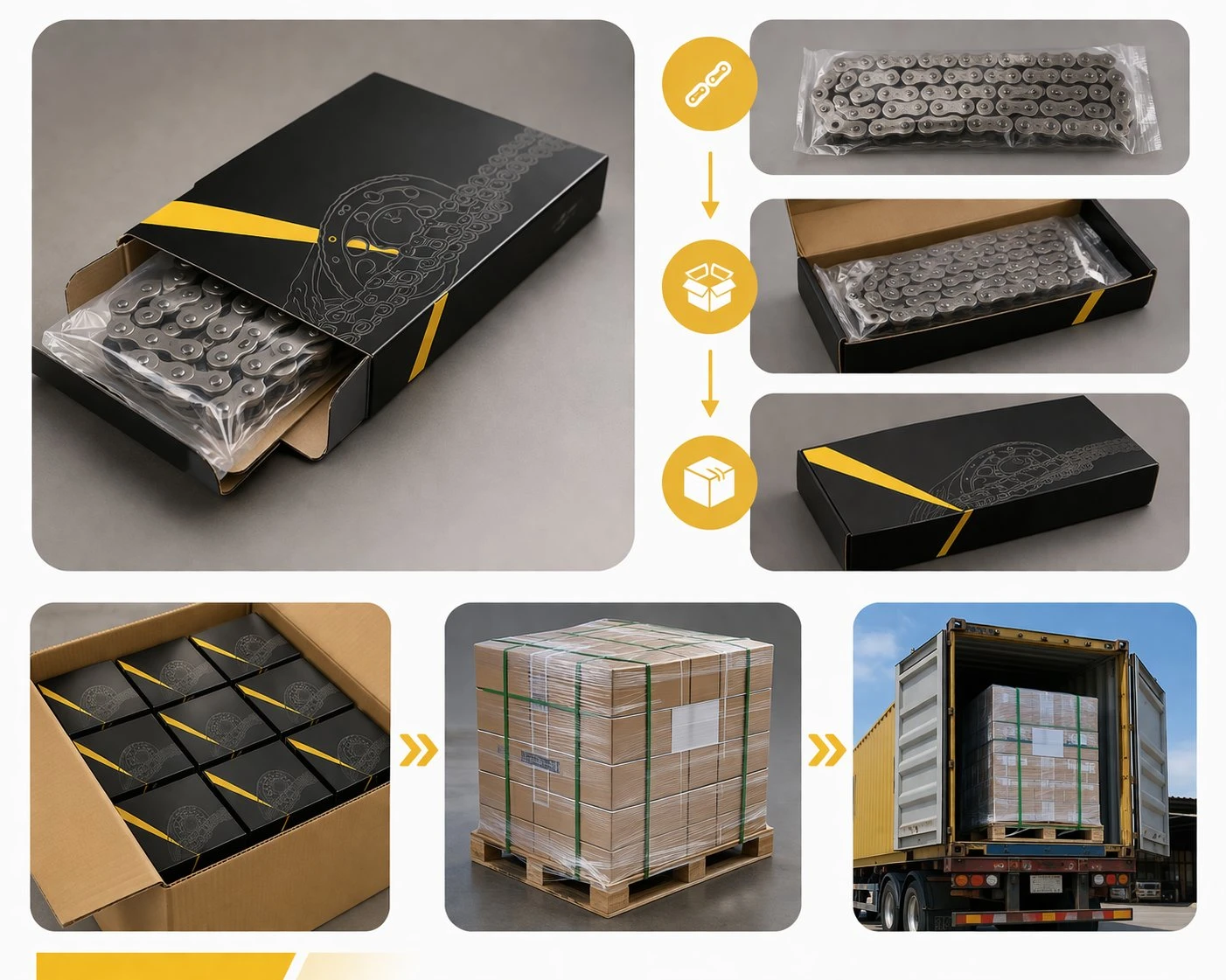
Verpackung und Versand
Zusätzliche Informationen
| Editor | Cxm |
|---|
Ähnliche Produkte
-
420 Standard-Motorradkette | 12.700 mm Teilung, 15,6 kN
-

Motorrad-Steuerkette *25 *25H *25SH 06B Serie
-
X-Ring Motorradkette 428H-X 520H-X 525H-X 530H-X | Korea Ever-Power
-

Motorradkette mit O-Ring — 415 – 530 HO Sealed Series
-
Verstärkte Motorradkette 415H 420H 428H 520H 525H 530H | Korea Ever-Power
-

Motocross-Motorradkette – Serie 428/520
-

Standard-Motorradkette – 420 / 428 / 520 / 525 / 530 (nicht abgedichtet)
-
Motorradkette – Komplettes Antriebsketten-Sortiment von der 25er-Serie bis 530H