Product Description
1. Standare conveyor roller chain available models: 1.08A2.10A3.12A4.16A5.20A6.24A7.28A8.32A9.06B10.08B11.10B12.12B13.16B
2. Escalator Step Chains, Escalator Drive Chain: T67 – 24S
3. Trencher Chains (Digging Chains): 015H – TR2690
4. Asphalt Paving Chains, Paving Machine Chain: SS40L – RMC15128
5. Flow Conveyor Chains: DK4011S – DK160H250M
6. Tobacco Industry Machinery Chains
Roller chain material we use:
Plate: 40Mn, 45Mn steel
Pin: 30CrMnti or 40Cr
Bush: We use 10# or 20Mn
Roller: 10#, 20# or 35# steel
Chain size:
Standard chain:
35-1, 40-1, 50-1, 60-1, 80-1, 100-1, 120-1, 140-1, 160-1, 200-1, 240-1
35-2, 40-2, 50-2, 60-2, 80-2, 100-2, 120-2, 140-2, 160-2, 200-2, 240-2
06B-1, 08B-1, 10B-1, 12B-1, 16B-1, 20B-1, 24B-1, 28B-1, 32B-1, 40B-1, 48B-1, 56B-1, 64B-1, 72B-1
06b-2, 08B-2, 10B-2, 12B-2, 16B-2, 20B-2, 24B-2, 28B-2, 32B-2, 40B-2, 48B-2, 56B-2, 64B-2, 72B-2
C2040, C2042, C2050, C2052, C2060, C2062, C2080, C2082, C2100, C2102, C2120, C2122, C2160, C2162 and so on.
Nonstandard chain:
We can do all kinds of nonstandard chains as per your request
Applications:
Roller chains work with sprocket together to drive on industrial machine, automobile, motorcycle, agriculture machine and so on
| Material | Stainless steel, alloy steel |
| Process | Assembled |
| Heat treatment | Case hardening, Meshbeltfurnace quenching heat treatment |
| Surface treatment | Blacking, galvanization, chroming, electrophoresis, color painting, or customer requirement |
| Performance | High precision, high wear resistance, low noise, smooth and steady, high strength |
| Model number | Standard or nonstandard (single duplex and triple) 35-1, 40-1, 50-1, 60-1, 80-1, 100-1, 120-1, 140-1,160-1,200-1,240-1 35-2, 40-2, 50-2, 60-2, 80-2, 100-2, 120-2, 140-2, 160-2, 200-2, 240-2 06B-1,08B-1,10B-1,12B-1,16B-1,20B-1,24B-1,28B-1,32B-1,40B-1,48B-1,56B-1,64B-1,72B-1 06b-2,08B-2,10B-2,12B-2,16B-2,20B-2,24B-2,28B-2,32B-2,40B-2,48B-2,56B-2,64B-2,72B-2 |
| Packaging | Inner plastic bag and outer carton box or customer requirement. |
/* January 22, 2571 19:08:37 */!function(){function s(e,r){var a,o={};try{e&&e.split(“,”).forEach(function(e,t){e&&(a=e.match(/(.*?):(.*)$/))&&1
| Material: | Carbon Steel |
|---|---|
| Surface Treatment: | Oxygenation |
| Module: | 08A-48A |
| Surface: | Zinc Plated, Blacken |
| Heat Treatment: | Case Harden |
| Process: | Assemble |
| Customization: |
Available
| Customized Request |
|---|
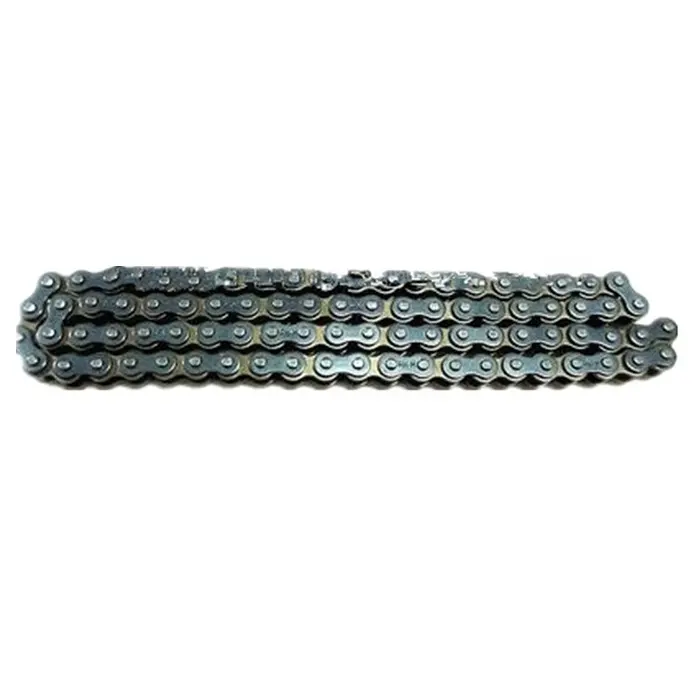
What are the signs of wear and tear in a motor chain?
Over time, a motor chain can experience wear and tear due to usage, environmental factors, and lack of proper maintenance. It’s important to monitor the condition of the motor chain regularly to identify signs of wear and address them promptly. Here are some common signs of wear and tear in a motor chain:
1. Chain elongation: One of the most noticeable signs of wear in a motor chain is elongation. The chain may appear longer than its original length due to stretching and wear of the pins, bushings, and rollers. Excessive chain elongation can cause poor performance, increased noise, and affect the overall efficiency of the system.
2. Increased chain noise: As a motor chain wears, it can produce more noise during operation. Excessive noise can indicate worn-out or damaged components, such as pins, bushings, or rollers. It’s important to investigate and address the source of the noise to prevent further damage and ensure smooth operation.
3. Chain slack or looseness: If the motor chain exhibits excessive slack or looseness, it may indicate wear and elongation. Proper tension is essential for the efficient transfer of power, and a loose chain can cause slippage and decreased performance.
4. Visible signs of damage: Inspect the motor chain visually for any visible signs of damage, such as broken links, cracked plates, or worn-out pins and bushings. These signs indicate significant wear and may require immediate attention or replacement of the chain.
5. Uneven wear: Uneven wear patterns on the chain’s components, such as unevenly worn pins or bushings, can indicate misalignment or other issues. Identifying and addressing the cause of uneven wear is crucial to prevent further damage and ensure proper chain performance.
Regular inspection and maintenance can help identify these signs of wear and tear in a motor chain. If any of these signs are observed, it is recommended to consult a professional or the chain manufacturer for further evaluation and guidance on appropriate maintenance or replacement.

Can a motor chain be repaired if it gets damaged?
Yes, in some cases, a motor chain can be repaired if it gets damaged. However, the repairability of a motor chain depends on the extent and type of damage. Here are some common types of motor chain damage and their potential repair options:
1. Chain elongation: If the motor chain has experienced elongation due to wear or improper tension, it may be possible to adjust the tension or remove a damaged link to restore the chain’s length. However, excessive elongation may indicate significant wear and require chain replacement.
2. Broken or damaged links: If a few links in the motor chain are broken or damaged, it may be possible to replace those specific links or repair them using chain repair tools or specialized techniques. However, if the damage is extensive or affects multiple links, it is generally more cost-effective to replace the entire chain.
3. Cracked or damaged plates: If the chain plates are cracked or significantly damaged, repair may not be feasible or advisable. Cracked plates compromise the chain’s strength and integrity, and replacing the chain is usually the recommended solution.
4. Damaged pins or bushings: If the pins or bushings in the motor chain are damaged or worn out, they can sometimes be replaced individually using appropriate tools and techniques. However, if the damage is extensive or affects multiple pins or bushings, it is best to replace the chain.
It’s important to note that attempting repairs on a motor chain requires knowledge and expertise in chain repair techniques. It is recommended to consult a professional or the chain manufacturer for guidance on whether a repair is possible and advisable based on the specific damage and chain type.

What is a motor chain and how is it used?
A motor chain, also known as a power transmission chain, is a mechanical device used to transmit power from a motor or engine to various parts of a machine or system. It consists of a series of interconnected links that form a flexible and durable chain.
Motor chains are commonly used in a wide range of applications, including automotive, industrial machinery, agricultural equipment, and conveyor systems. They play a vital role in transmitting rotational motion and power from the motor to different components such as wheels, gears, sprockets, or pulleys.
Here’s how a motor chain is typically used:
1. Power Transmission: The primary function of a motor chain is to transmit power from the motor to other parts of the system. When the motor rotates, it drives the chain, which in turn drives the connected components, enabling them to perform their intended functions.
2. Speed and Torque Conversion: Motor chains are designed to transmit power at different speeds and convert the torque between the motor and the driven components. By selecting appropriate sprocket sizes and chain lengths, the rotational speed and torque can be adjusted to suit the requirements of the system.
3. Flexibility and Adaptability: Motor chains are flexible and adaptable, allowing them to be used in various orientations and configurations. They can accommodate misalignment, uneven loads, and changes in direction, making them suitable for complex machinery and systems.
4. Maintenance and Lubrication: Proper maintenance and lubrication are essential for the reliable operation of motor chains. Regular inspection, cleaning, and lubrication help reduce friction, wear, and corrosion, ensuring optimal performance and longevity of the chain.
Motor chains come in different sizes, designs, and materials to suit specific applications. Selecting the right chain for a particular system involves considering factors such as load capacity, speed, environment, and compatibility with other components. It is important to follow the manufacturer’s guidelines and industry standards to ensure safe and efficient operation.


editor by CX 2024-04-03